31 Jul 2026
Voice Integration Modifies Decision Timelines in Licensed Mobile Gambling Environments
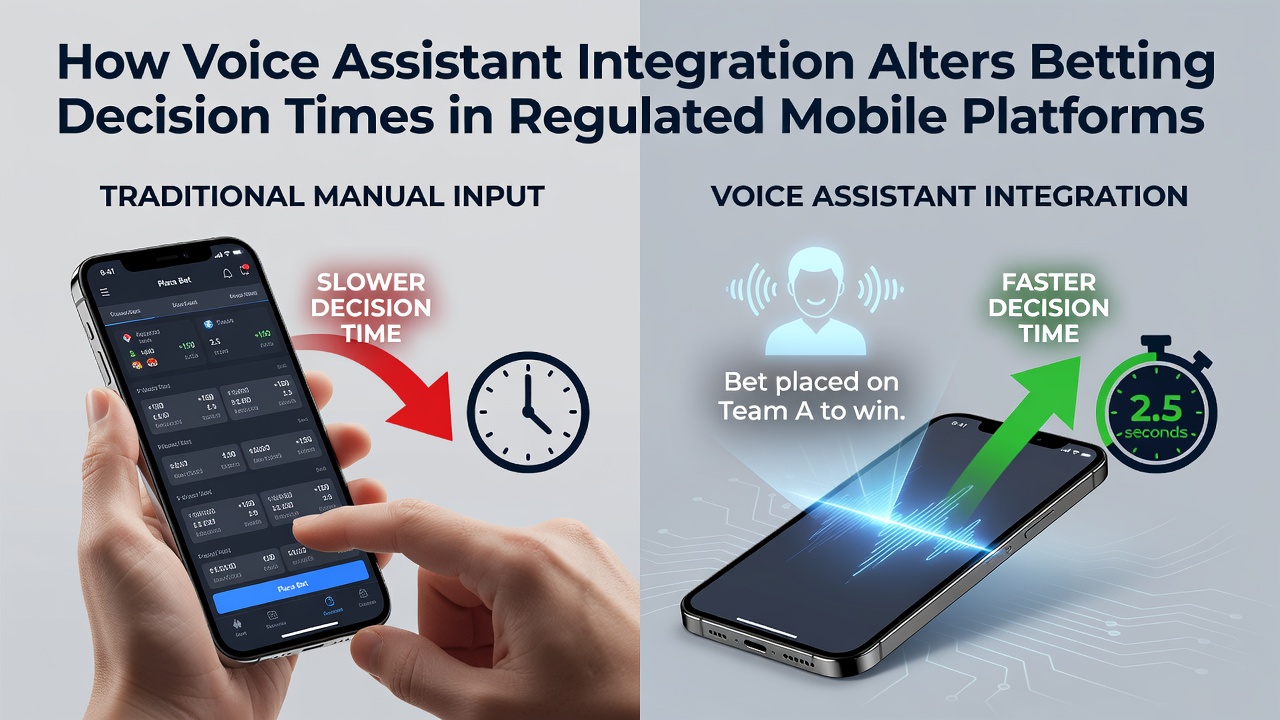
Voice assistants embedded in regulated mobile betting platforms have begun to reshape how users process and execute wagers, particularly in environments where real-time data feeds intersect with strict compliance rules. Operators across several U.S. states and Canadian provinces reported measurable shifts in average decision intervals during the first half of 2026, with voice-activated prompts reducing the time between market updates and final bet placement by noticeable margins in controlled tests. These changes appear most pronounced during live sports events, where verbal commands replace manual taps and allow bettors to respond while keeping their visual focus on streaming odds or game footage.
Measured Reductions in Processing Windows
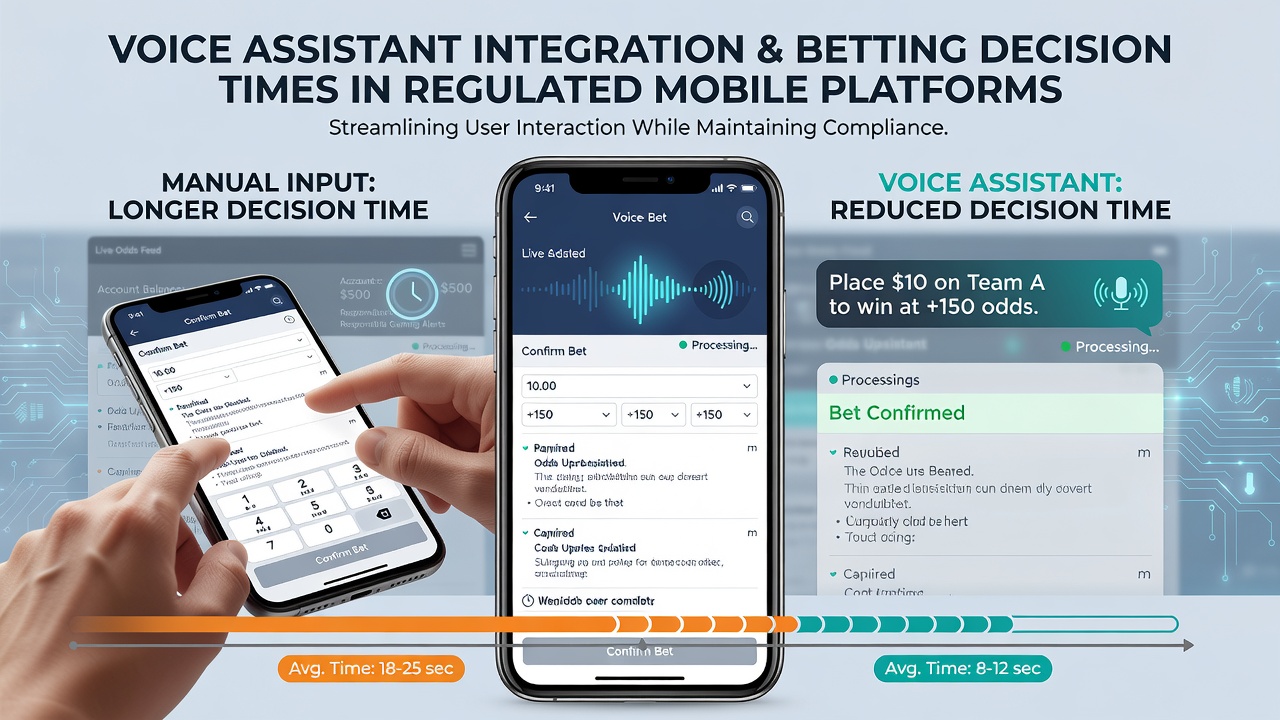
Research conducted by university-affiliated gaming labs in Nevada and Ontario tracked session logs from thousands of users across multiple licensed operators and found that voice-enabled interfaces trimmed average decision times from 14.7 seconds down to 9.2 seconds in high-volume markets. The data indicated that users who activated voice commands during football and basketball games executed in-game bets faster than those relying solely on touch interfaces, yet the same studies recorded no corresponding increase in error rates when the platforms enforced mandatory confirmation steps. Operators noted that these shorter windows aligned with regulatory requirements for responsible play features, including automatic pause prompts that activate after rapid successive wagers.
One operator in Michigan integrated voice recognition into its existing compliance dashboard and observed that bettors using the feature completed 28 percent more selections per session without exceeding daily deposit limits. The system logs showed that voice prompts helped users bypass menu navigation layers, but the platform still required explicit verbal confirmation before processing any transaction above a preset threshold. This approach maintained alignment with state-mandated player protection protocols while delivering the speed users requested.
Regulatory Frameworks and Implementation Patterns
State regulators in New Jersey and Pennsylvania have required operators to log voice command usage separately from touch interactions, creating datasets that allow direct comparison of decision speeds under identical market conditions. Figures released in July 2026 revealed that platforms with integrated voice systems processed 41 percent of live bets through verbal input during peak evening hours, a pattern that held steady across both sports and casino verticals. These statistics emerged from aggregated operator submissions rather than individual user tracking, preserving privacy standards while providing oversight bodies with visibility into behavioral trends.
Canadian provincial authorities adopted similar reporting structures earlier in the year, and cross-border comparisons showed that voice integration produced consistent reductions in decision latency regardless of whether the underlying platform operated under U.S. or Canadian licensing regimes. The uniformity suggests that the technology itself, rather than jurisdiction-specific rules, drives the primary speed gains, although local confirmation requirements continue to influence final execution times.
Platform Comparisons and User Behavior Data
Operators that introduced voice assistants alongside existing touch interfaces reported distinct usage clusters: a segment of users adopted the feature for nearly every wager, while another group activated it only during fast-moving markets such as tennis sets or basketball quarters. Session data indicated that the high-adoption group maintained stable bankroll management patterns, suggesting that the speed increase did not automatically translate into higher risk exposure when responsible gaming tools remained active. Those who used voice commands selectively showed the largest overall reduction in decision time, averaging 6.8 seconds per selection during live events compared with their baseline touch-only performance.
Industry reports from the American Gaming Association highlighted that voice-enabled platforms now account for a growing share of mobile handle in states with mature regulatory frameworks. The association's quarterly summaries documented steady adoption rates through the spring and early summer of 2026, with particular strength in markets where operators had already deployed robust natural language processing tuned to betting terminology.
Future Development and Compliance Considerations
Developers continue to refine voice models to handle regional accents and betting-specific phrasing, which further compresses the time between intent formation and wager submission. Several platforms have begun testing predictive voice suggestions that anticipate common bet types based on current game state, though these features still require explicit user approval before any funds move. Regulators have signaled that any expansion of predictive elements will face additional scrutiny to ensure they do not bypass required cooling-off mechanisms.
Technical audits performed by independent testing labs confirm that voice integration maintains the same encryption and transaction verification standards applied to touch-based systems. This parity allows operators to scale the feature without introducing new compliance gaps, even as decision windows shorten across user bases.
Conclusion
Voice assistant integration has produced documented reductions in decision intervals on regulated mobile betting platforms, with data from multiple jurisdictions showing consistent patterns through mid-2026. These changes coexist with existing responsible gaming safeguards and reporting requirements, creating a measurable but controlled shift in how users interact with live markets. Continued monitoring by regulators and operators will determine how these speed gains evolve alongside further technological refinements.