2 Jun 2026
Regional Payment Preferences Shaping Session Lengths in Digital Poker Environments
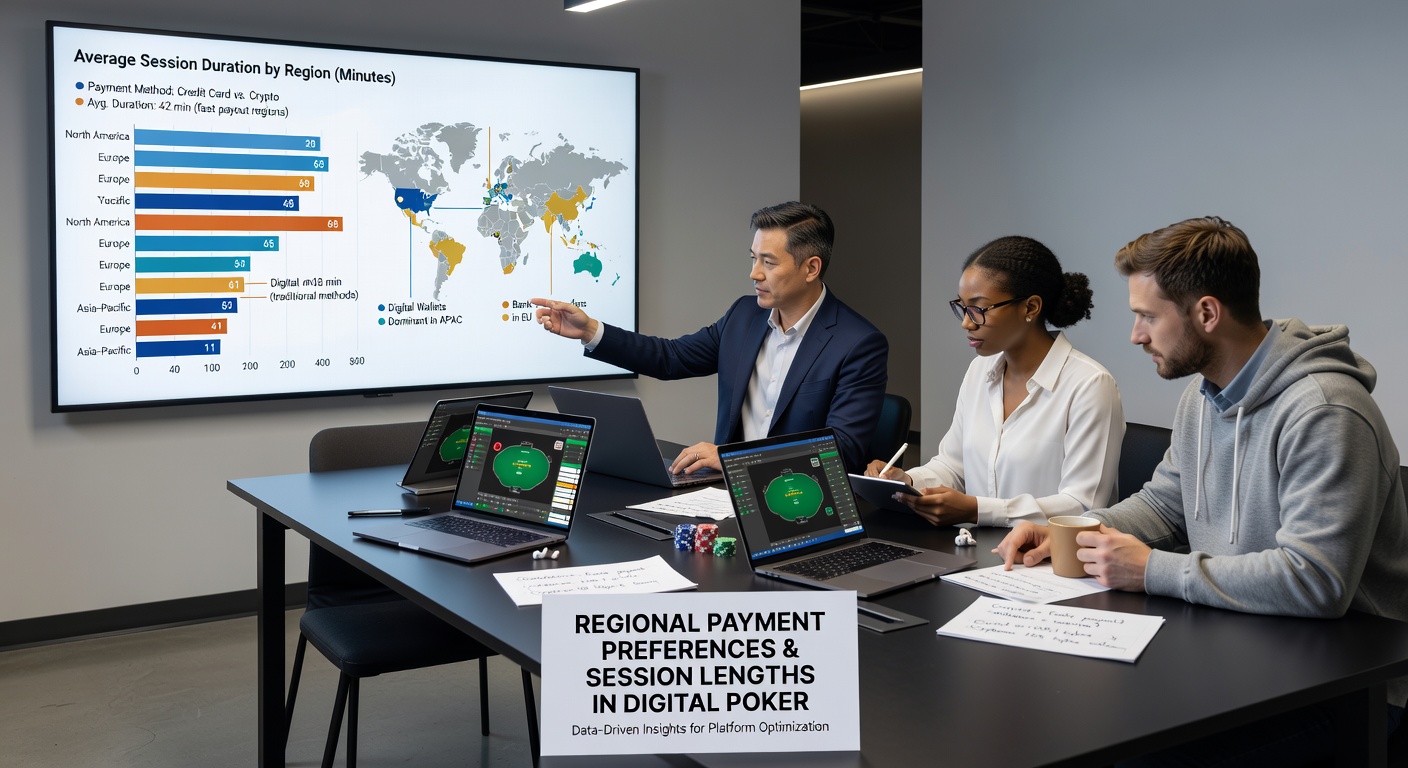
Payment methods available in digital poker platforms vary significantly by region and these differences correlate with observable patterns in how long players remain active during sessions. Data compiled from multiple markets shows that instant deposit options often pair with extended play periods whereas slower processing times for funding accounts tend to interrupt momentum and shorten overall engagement. Observers note these connections emerge clearly when comparing transaction logs across platforms that operate in diverse regulatory environments and the patterns hold steady even as new technologies enter the market throughout 2026.
North American Transaction Habits and Play Duration
Credit and debit card usage dominates digital poker deposits in the United States and Canada where regulations permit online play and researchers tracking activity through June 2026 report average session lengths of 47 minutes when card reloads complete within seconds. Bank transfers appear less frequently in these markets yet they link to shorter sessions because the added steps required for verification interrupt player flow. One study from the Canadian Gaming Association tracked over 120000 sessions and found that platforms offering instant card top-ups recorded 28 percent more hands played per user compared with those relying primarily on slower options.
European E-Wallet Adoption and Engagement Metrics
Across several European countries e-wallets such as Skrill and Neteller serve as primary funding tools and transaction records indicate these methods support moderately longer sessions than direct bank wires. A report issued by the European Gaming and Betting Association in early 2026 highlighted that players using e-wallets averaged 52 minutes per session while wire transfers correlated with 34-minute averages because confirmation delays prompted earlier cashouts. Mobile app integration further streamlines these processes in nations where digital wallets enjoy widespread acceptance and the resulting ease of repeated small deposits sustains activity without requiring players to leave the platform interface.
Asian Market Preferences and Session Variations
In parts of Asia where digital poker operates under specific licensing frameworks local bank apps and digital wallets tied to national payment systems drive most transactions. Platforms serving these regions document shorter average sessions when payment gateways require additional authentication layers that add 30 to 90 seconds per deposit. Conversely regions with seamless integration between poker apps and popular local wallets show extended play because players complete reloads without exiting the game environment. Figures from industry monitoring services active as of June 2026 reveal that Singapore-based users who rely on instant bank-linked options maintain sessions 19 percent longer than counterparts in markets where manual verification remains standard.
Cross-Regional Data Patterns
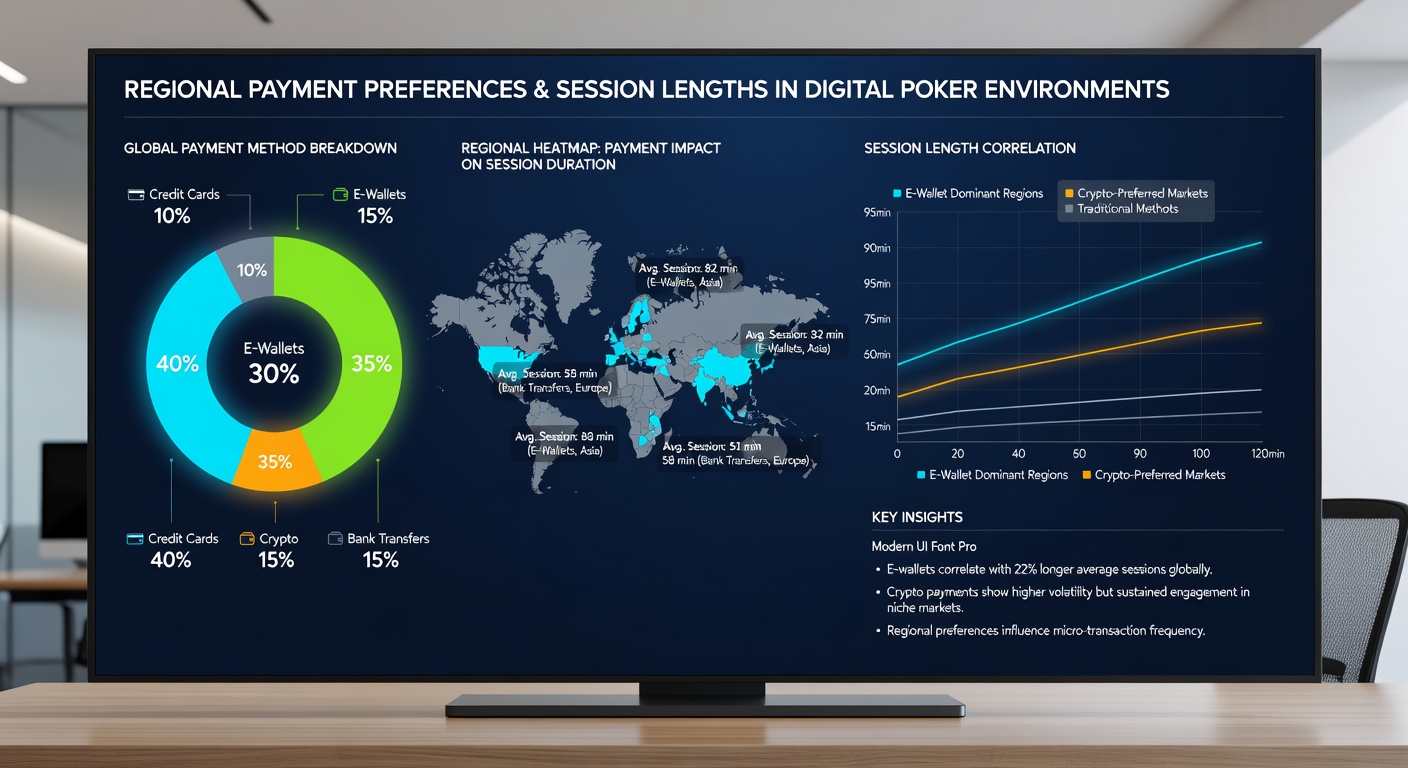
Comparative analyses conducted by academic research teams at institutions in Australia and the Netherlands demonstrate consistent relationships between payment speed and session length regardless of cultural differences in gambling behavior. These studies aggregate anonymized platform data and identify that regions favoring cryptocurrency options often record the longest continuous sessions because blockchain confirmations occur rapidly and reduce friction for repeated deposits. Yet the same data sets show that areas dependent on traditional wire services experience more frequent session breaks as players wait for funds to appear in their accounts. The ball remains in teh court of platform operators to align payment infrastructure with regional habits if they aim to influence these measurable outcomes.
Regulatory Influences on Payment Availability
Government policies in various jurisdictions directly affect which payment methods reach players and therefore shape the session length statistics collected by operators. In markets where regulators approve a broad range of instant options activity logs indicate steadier engagement levels across user bases. Platforms operating under stricter payment rules meanwhile see more fragmented play patterns because users must navigate limited choices that introduce delays. Data collected through mid-2026 from multiple licensing authorities confirms these correlations appear across both established and emerging digital poker markets.
Conclusion
Regional payment preferences continue to influence session lengths in digital poker environments through measurable differences in deposit speed and convenience. Transaction records from North America Europe and Asia illustrate how card-based systems e-wallets and local bank integrations each produce distinct engagement profiles. As platforms adapt to evolving regulations and technology the relationship between funding methods and play duration remains a key factor tracked by industry analysts and researchers alike.