17 May 2026
Mapping Cross-Border Transaction Patterns That Shape Player Choices Across Emerging Digital Wagering Markets
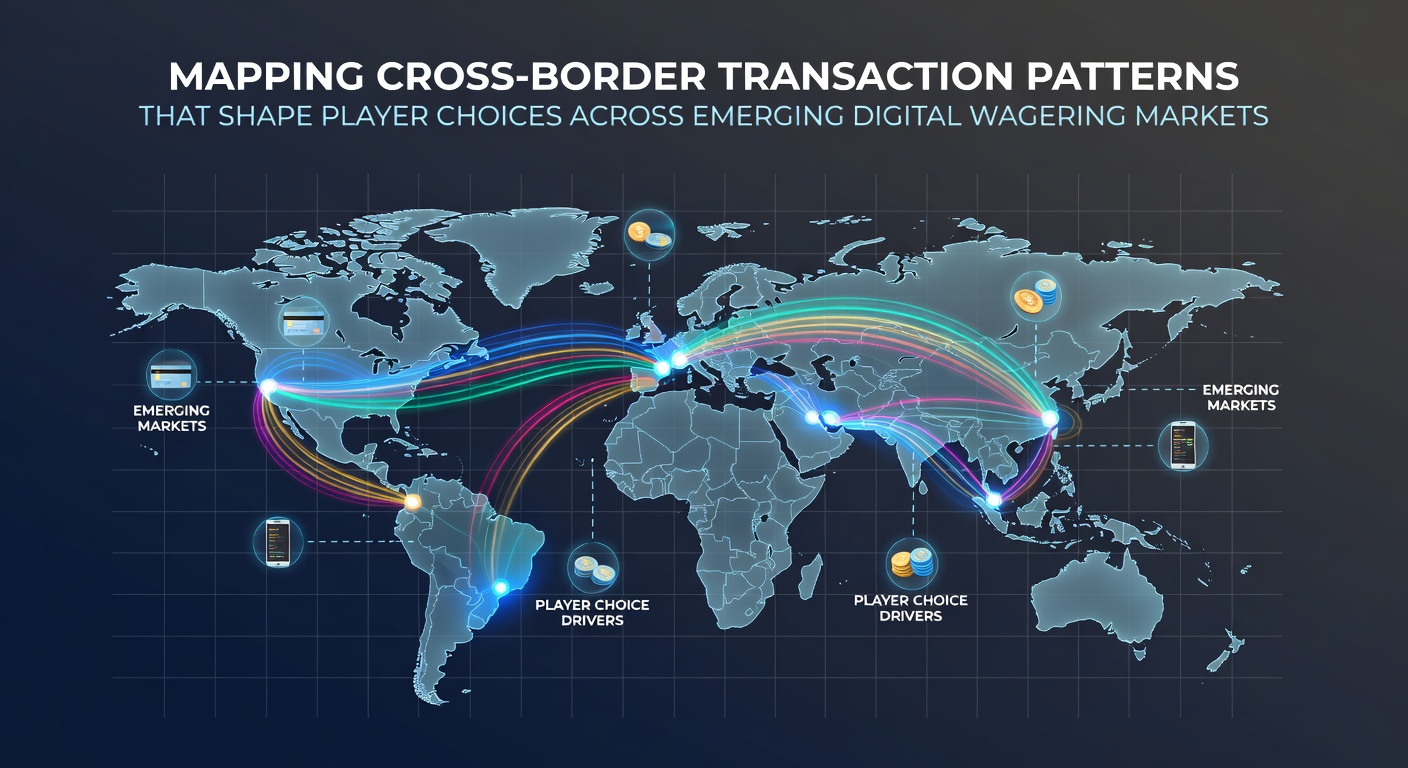
Cross-border transaction patterns in emerging digital wagering markets reveal consistent flows of funds through digital payment rails that connect players in Latin America, Southeast Asia, and parts of Africa with offshore platforms. Data collected through 2025 and into May 2026 shows that these patterns influence where players place bets, how often they return to specific sites, and which payment methods they adopt over time. Researchers tracking volume spikes note that transaction corridors between Brazil and European-licensed operators have grown steadily since regulatory changes opened local markets, while similar corridors in Indonesia and Nigeria rely more heavily on cryptocurrency gateways for speed and reduced fees.
Regional Corridors and Payment Method Preferences
Observers tracking these flows find that players in Brazil often route deposits through local fintech apps linked to international e-wallets, creating visible clusters of activity during evening hours when major football leagues play. In contrast, users across Vietnam and Thailand show higher adoption of stablecoin transfers that bypass traditional banking delays, according to figures released by regional payment analytics firms. These choices stem from infrastructure realities rather than marketing alone; limited access to conventional cards in some provinces pushes volume toward mobile wallets that complete verification in under two minutes.
One study of transaction metadata across multiple platforms found that average transfer times under five seconds correlate with higher session lengths, while delays beyond thirty seconds prompt users to switch providers mid-week. Patterns also shift seasonally, with increased activity along India-to-Malaysia routes during cricket tournaments and along Kenya-to-Europe routes during international athletics events. Such timing data helps platforms adjust liquidity pools in advance.
How Transaction Speed and Cost Shape Retention
Cost structures embedded in cross-border rails directly affect player loyalty. When platforms absorb or reduce network fees on certain corridors, repeat deposit rates rise measurably within the same calendar quarter. Analysts at academic institutions examining anonymized ledgers report that even small differences in withdrawal processing, such as same-day versus next-day settlement, determine whether users consolidate activity on one site or maintain accounts across several operators.
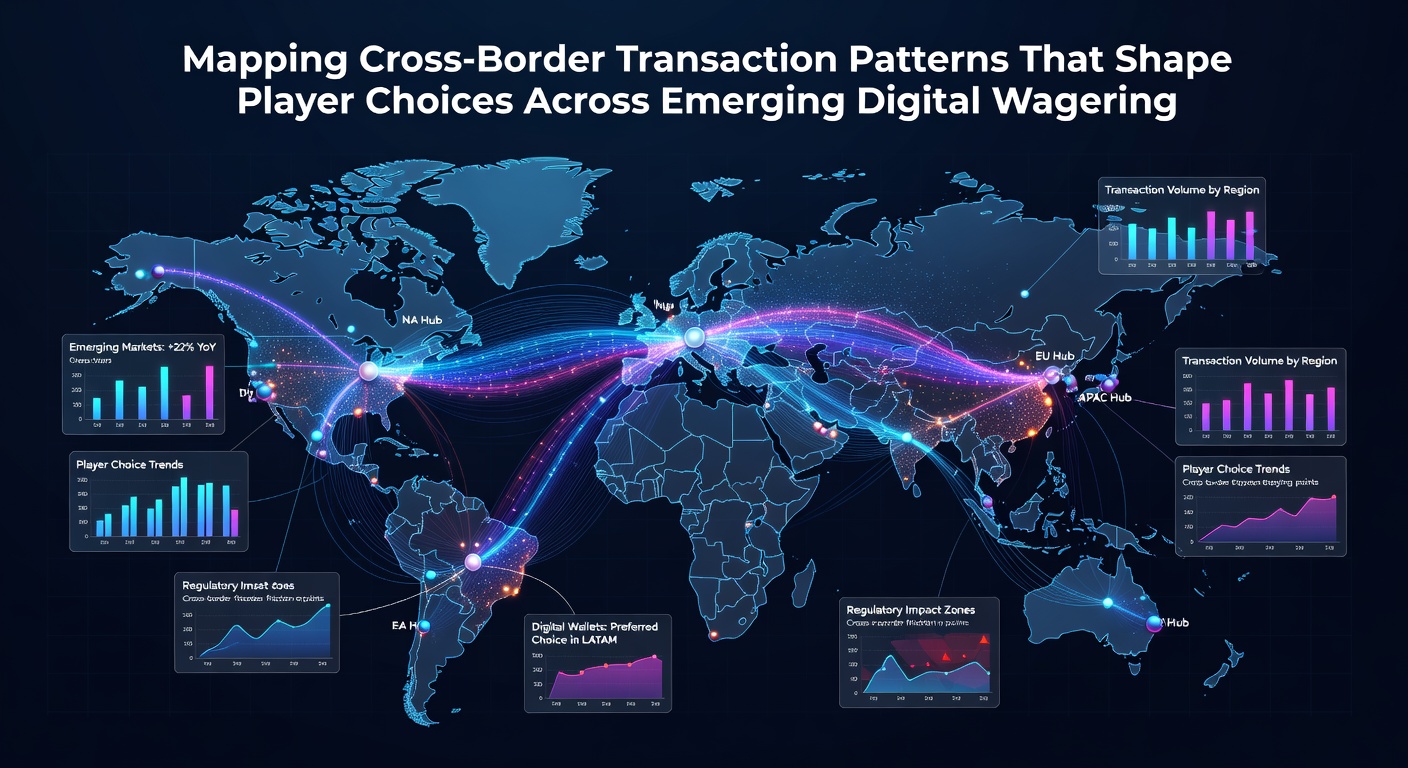
Yet the picture grows more complex when regulatory announcements intervene. In May 2026, updates from Brazilian financial authorities on foreign exchange reporting prompted temporary dips in visible transaction volumes along certain corridors, after which activity migrated toward privacy-focused methods. Similar adjustments occurred earlier in the year when Nigerian central bank guidelines altered crypto ramp requirements, leading players to favor peer-to-peer exchange layers that maintain continuity. These migrations illustrate how external policy signals ripple through player behavior without requiring direct platform intervention.
Data Sources and Analytical Approaches
Comprehensive mapping relies on aggregated data from multiple layers. Payment processors share high-level volume statistics with industry research groups, while academic teams combine on-chain analytics with user surveys conducted through university ethics boards. One collaborative report involving institutions in Singapore and São Paulo examined over 1.2 million anonymized transactions and identified recurring clusters around specific time zones and sporting calendars. Those clusters align with peak mobile data usage periods rather than random distribution.
Additional context comes from organizations monitoring digital economy trends, such as reports produced by the OECD Digital Economy Outlook that track cross-border payment adoption in emerging regions. Parallel insights appear in studies released by the World Bank on mobile money corridors, which document how transaction costs and settlement reliability influence consumer choices in digital services including wagering. Researchers cross-reference these macroeconomic indicators with platform-level telemetry to build predictive models of corridor strength.
Future Mapping Techniques and Market Adaptation
Emerging techniques combine machine learning with real-time ledger monitoring to forecast corridor shifts before they become obvious in aggregate statistics. Platforms that integrate these signals can pre-position liquidity and adjust fee schedules, which in turn stabilizes player activity along the most efficient routes. Observers note that markets with clearer regulatory frameworks tend to develop more transparent transaction patterns, allowing better data collection and fewer abrupt migrations.
Conclusion
Mapping cross-border transaction patterns provides a factual lens for understanding player movement across emerging digital wagering markets. The data accumulated through 2026 demonstrates clear links between payment infrastructure performance, regulatory signals, and the corridors players ultimately favor. Continued refinement of analytical tools will likely reveal additional layers of these flows without altering the underlying objective record of how funds travel and why users select particular pathways.