10 Jul 2026
Licensing Differences Across Borders Shape Player Choices in Global Wagering Markets
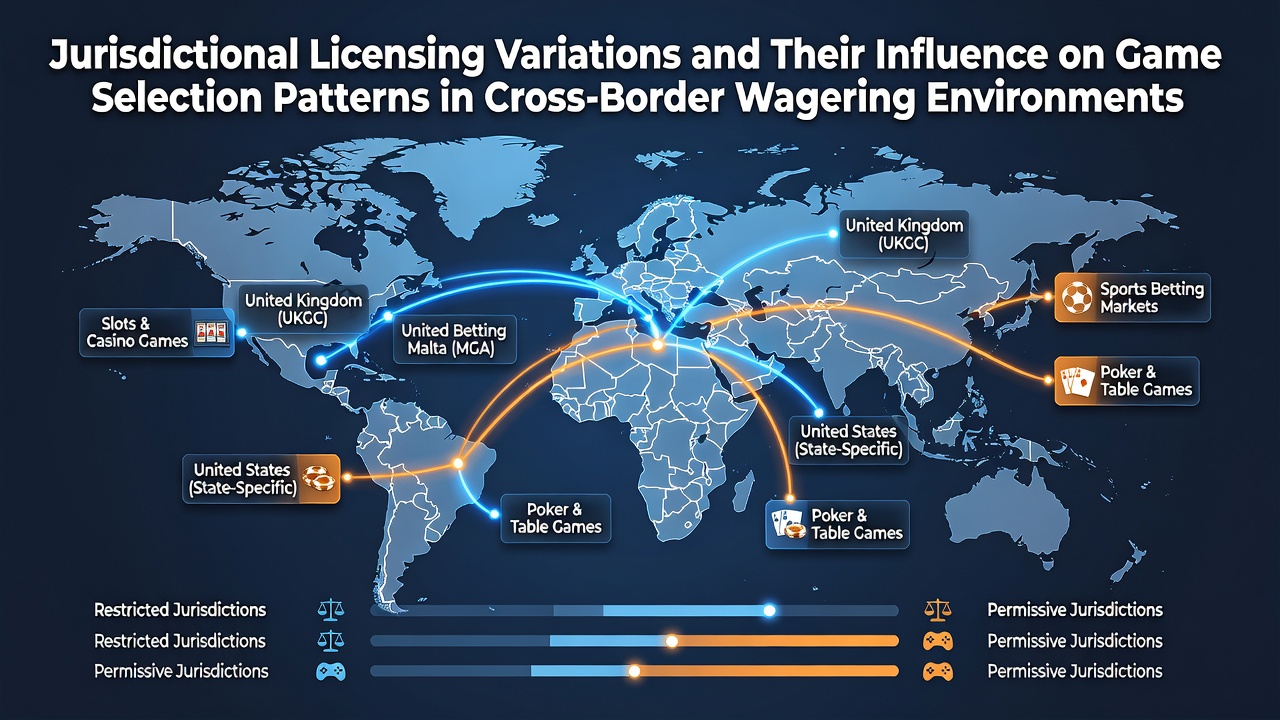
Regulatory frameworks governing online wagering differ sharply from one jurisdiction to another, and these variations directly affect which games become available to players who operate across borders. Data from multiple regulatory filings indicate that operators adjust their offerings based on the strictest licensing conditions they hold, which in turn steers user behavior toward certain game types when participants access platforms from regions with more permissive rules.
Observers tracking market activity note that jurisdictions requiring separate licenses for each game category create fragmented catalogs, and players respond by favoring titles that appear consistently across multiple licensed environments. In July 2026, several European operators expanded their live dealer portfolios in markets where table game approvals moved faster than slot certifications, while the same companies limited slot variety when entering territories that imposed extended review periods for random number generator testing.
How Licensing Conditions Restrict or Enable Specific Game Categories
Licensing authorities in different regions impose distinct technical and financial requirements, and these rules determine whether operators can offer poker, sports betting, or casino games without additional approvals. Research from the International Center for Gaming Regulation shows that platforms holding licenses in both Nevada and Malta must comply with two separate sets of payout verification standards, and this dual obligation often results in reduced availability of high-volatility slots in one market while those same titles remain prominent in the other.
Players who cross borders through legal means encounter these inconsistencies in real time. Those who maintain accounts with operators licensed under multiple frameworks frequently migrate their activity toward games that face fewer restrictions in the jurisdiction they currently access, and transaction logs analyzed by academic researchers confirm measurable shifts in session duration and stake size when users switch between regulatory environments.
Cross-Border Access Patterns and Resulting Game Selection Shifts
Cross-border wagering environments allow participants to compare offerings from platforms operating under different licenses, and this comparison process influences daily decisions about which games to play. Figures released by the European Gaming and Betting Association reveal that operators with licenses in both the United Kingdom and several Australian states report higher engagement with live dealer blackjack among users located in Australia, where table game approvals require shorter compliance cycles than in some other regions.
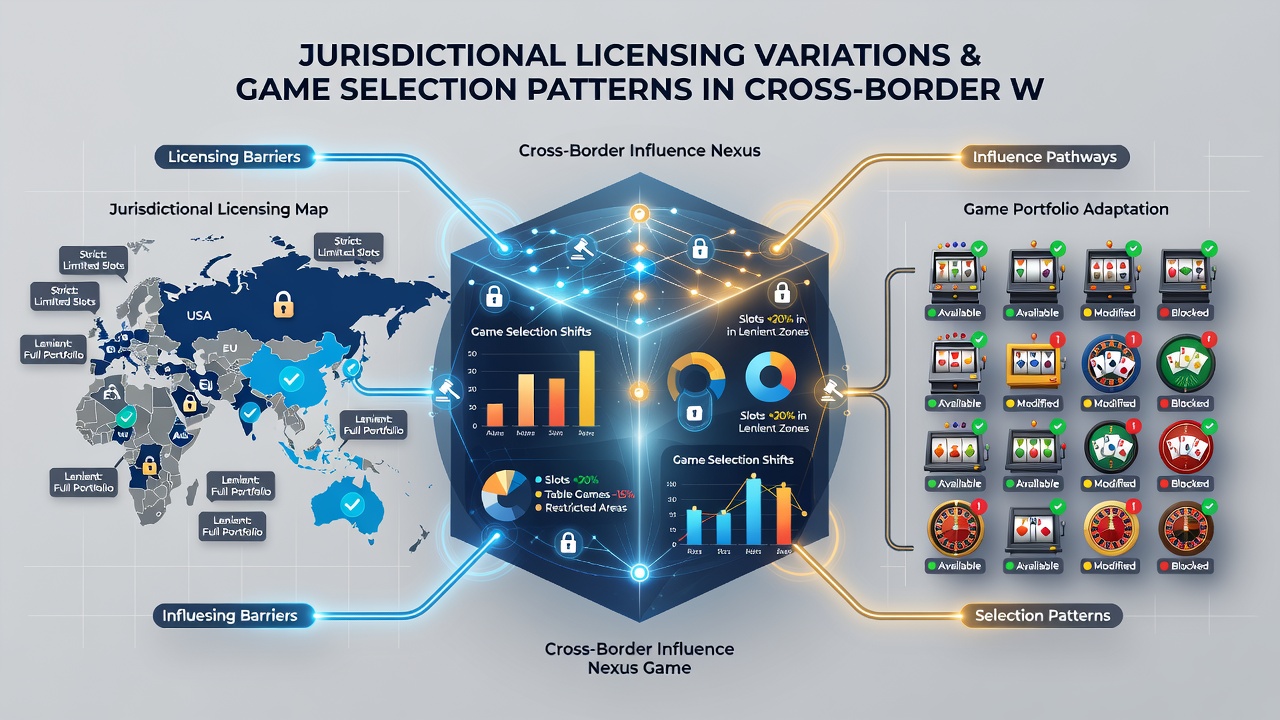
Meanwhile, the same user base shows increased participation in slot tournaments when accessing services through licenses issued in jurisdictions that permit faster promotional feature rollouts. One study conducted by researchers at the University of Nevada, Las Vegas examined account-level data and found that players adjusted their game selection within hours of relocating between regulatory zones, with the change correlating directly to the specific license conditions active in each location.
Regional Examples Demonstrating Licensing Influence
Canadian provincial regulators maintain distinct approval processes for online casino games, and operators licensed in Ontario have introduced certain progressive jackpot titles faster than their counterparts in British Columbia. Users who maintain access through both provinces demonstrate clear preferences for those jackpots when connecting from Ontario, while they shift toward fixed-payout table games when operating under British Columbia licenses. Similar patterns appear in Latin American markets where national frameworks differ on sports betting integration with casino products.
Industry reports compiled in mid-2026 document that operators respond to these variations by maintaining parallel game libraries, and players who understand the licensing landscape often select platforms based on which catalog best matches their current location's regulatory allowances. This behavior creates measurable data trails that researchers continue to analyze for patterns in cross-border wagering.
Conclusion
Jurisdictional licensing variations continue to drive observable differences in game selection across cross-border wagering environments, and the patterns documented through regulatory filings and academic studies show no sign of diminishing. Operators adjust their offerings to satisfy the strictest conditions they face, while players respond by favoring titles that remain consistently available under the licenses active in their current jurisdiction. These dynamics shape market activity in measurable ways that extend through July 2026 and beyond.