14 Jun 2026
How Shifting Foreign Exchange Trends Quietly Recalibrate Promotional Credit Values on Multinational Digital Gaming Platforms
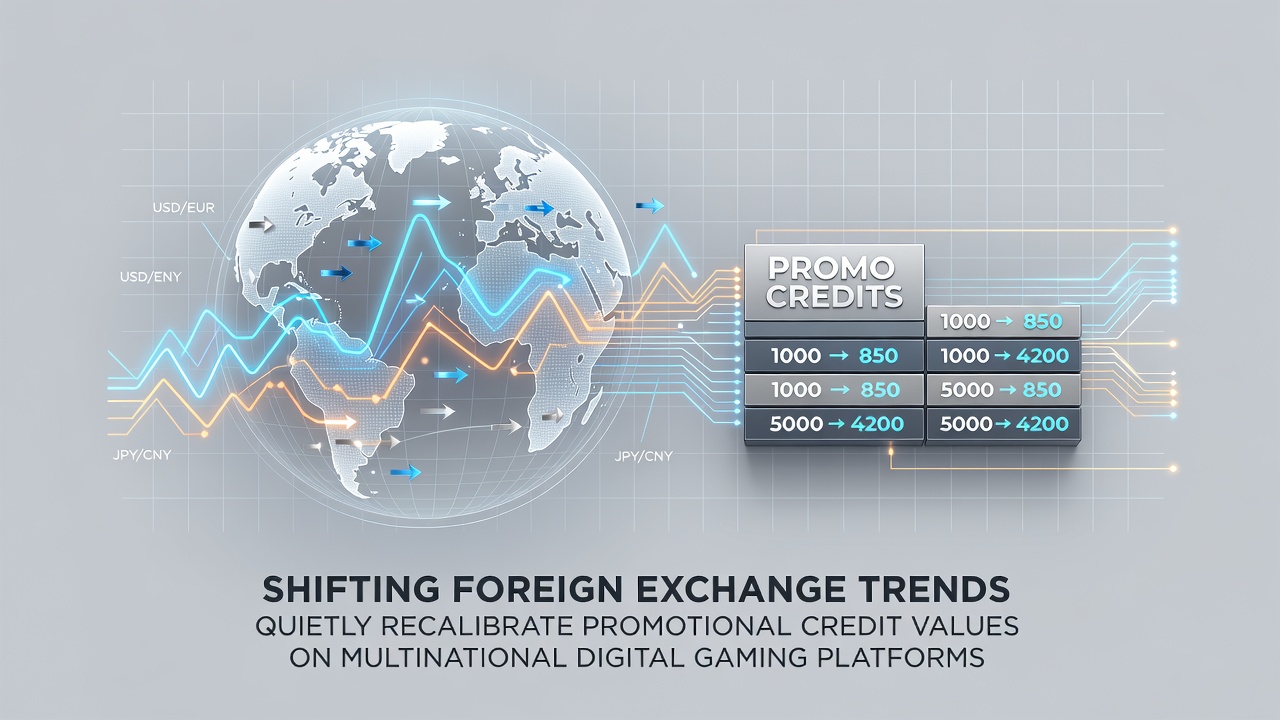
Foreign exchange movements have begun reshaping the real value of promotional credits on platforms that serve users across multiple currencies, and operators adjust these credits through automated systems tied to live market data. Platforms issue bonuses in the form of deposit matches, free play credits, or loyalty points that convert at prevailing rates, yet daily fluctuations in pairs like EUR/USD or USD/JPY alter what those credits actually purchase for players in different regions.
Data from mid-2026 shows the euro strengthened against the dollar by nearly 4 percent between January and June, which meant a fixed 50-euro bonus issued in early spring delivered less purchasing power when converted back for users holding dollar-denominated accounts. Operators responded by recalibrating credit multipliers in real time rather than publishing static bonus tables, and this practice spread across platforms operating in Canada, Australia, and parts of Latin America.
Currency Conversion Mechanics Inside Platform Systems
Most multinational operators maintain backend ledgers that apply mid-market rates plus a small spread at the moment a player claims a promotional offer, while some lock rates for a set period such as 24 or 48 hours. When the Australian dollar weakened in late May 2026, several platforms automatically reduced the AUD value of USD-based welcome bonuses by 2.8 percent overnight, and players noticed smaller effective balances without any visible change to advertised percentages. These adjustments occur through integrations with liquidity providers that feed tick-by-tick data into bonus engines, and the process runs continuously rather than at fixed daily cutoffs.
Researchers tracking transaction logs have documented how a single promotional credit pool can shift in relative value across currency zones within hours, and one study released in June 2026 by the Bank for International Settlements highlighted the growing linkage between forex volatility and digital wagering settlement volumes. Bank for International Settlements analysis noted that platforms processing cross-border credits experienced measurable variance in liability values during periods of rapid rate movement.
Player-Facing Effects Across Regions
Users located in countries whose currencies depreciate against the platform's reporting currency often receive promotional credits that buy fewer in-game features than equivalent offers did weeks earlier, whereas those in appreciating-currency jurisdictions see the opposite effect. A Canadian player claiming a 100 CAD bonus on a platform that prices its virtual goods in USD might find that same credit covers 3 percent less table time after a sharp CAD drop, and operators rarely send notifications about these micro-adjustments. Loyalty programs that award points redeemable for cash or tournament entries follow similar logic, so accumulated balances lose or gain effective value depending on when a player decides to convert them.

Payment processors that handle the final cash-out step add another layer because they apply their own conversion fees at withdrawal, and the combination of platform recalibration plus processor spreads compounds the impact for frequent cross-currency users. Observers note that players who maintain balances in multiple account currencies sometimes switch their displayed currency preference right before claiming offers in an attempt to capture better rates, although platform terms usually prohibit rapid switching to prevent exploitation.
Operational Adjustments by Platform Operators
Operators have introduced internal hedging strategies that mirror traditional corporate treasury practices, and some now maintain forward contracts on major currency pairs to stabilize the value of large promotional pools. In June 2026 several firms reported increased use of automated rate triggers that pause bonus issuance when volatility exceeds preset thresholds, and this approach prevents sudden spikes in liability on any single day. Smaller regional platforms that lack sophisticated hedging tools simply widen the spread they build into every conversion, passing the cost directly to players through reduced credit values.
Industry reports compiled by the Canadian Gaming Association indicate that promotional credit adjustments tied to exchange rates now appear in the majority of multi-jurisdiction operator filings, and the trend accelerated after 2025 volatility episodes in emerging-market currencies. Canadian Gaming Association filings show operators increasingly list forex exposure as a distinct line item in quarterly risk disclosures rather than treating it as a minor operational detail.
Conclusion
Shifting foreign exchange rates continue to influence the effective worth of promotional credits on platforms that span multiple currency zones, and the recalibrations happen through automated systems that respond to live market feeds. Players experience these changes as variations in purchasing power rather than explicit fee announcements, while operators manage exposure through hedging tools and dynamic pricing engines. Data compiled through 2026 demonstrates that the linkage between forex movements and credit valuation has become a standard operational factor rather than an occasional anomaly.