19 Jul 2026
Facial Recognition Integration Reshapes Verification and Transaction Flows in Global Betting Ecosystems
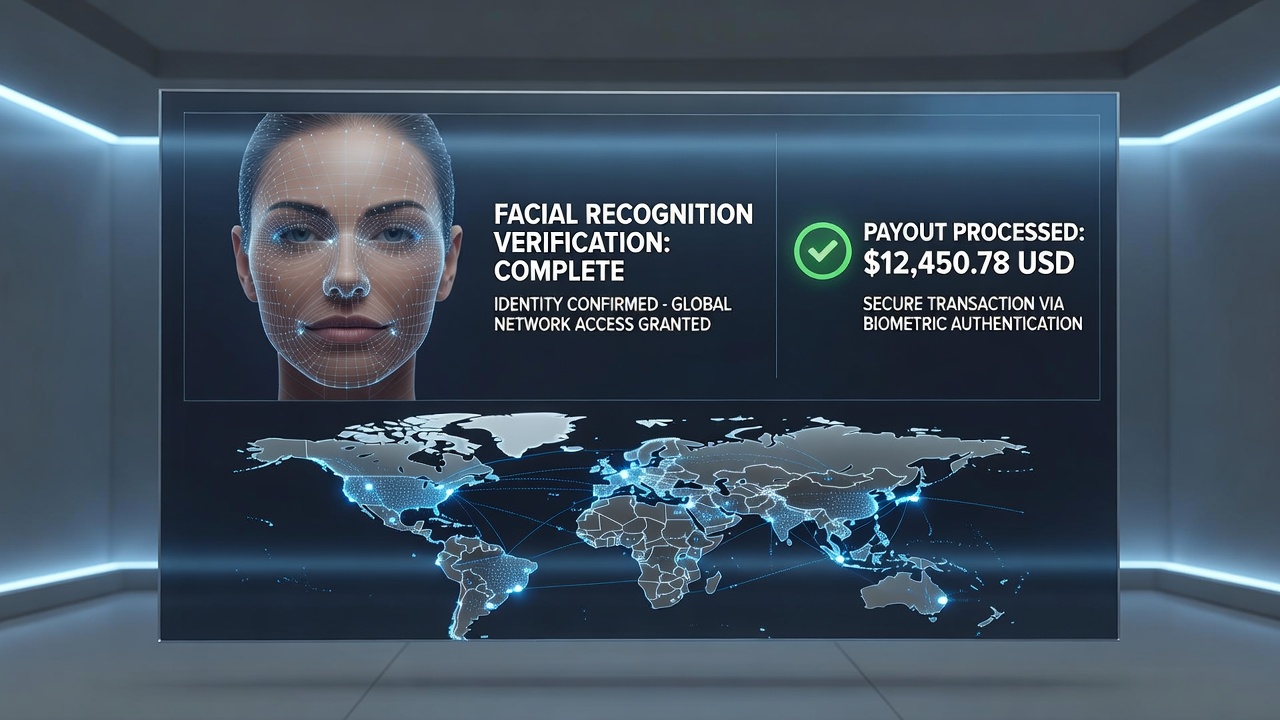
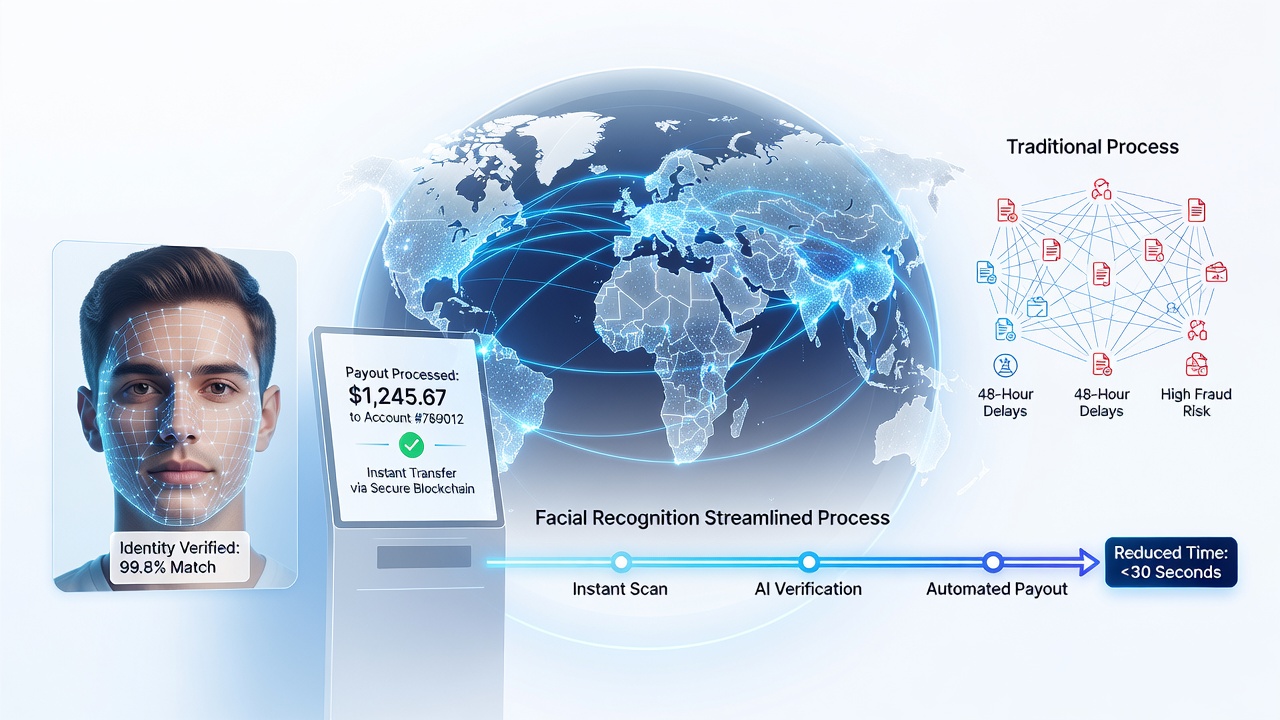
Platforms operating across multiple jurisdictions now deploy facial recognition systems that match live captures against government-issued documents within seconds, replacing manual document uploads that previously stretched verification timelines across days. Data from industry deployments shows these tools cut average identity confirmation periods from 48 hours to under 90 seconds while maintaining compliance with know-your-customer mandates in regulated markets.
Mechanics Behind Rapid Identity Matching
Operators integrate liveness detection algorithms that analyze micro-movements such as eye blinks and head tilts during selfie capture, which prevents static image spoofing attempts while confirming the user is physically present at the time of submission. These systems cross-reference the biometric data with passport or national ID photos stored in secure databases, triggering automatic approval when confidence scores exceed predefined thresholds set by platform compliance teams.
Regulators in several regions require audit logs of each verification event, and facial recognition vendors supply timestamped records that satisfy those reporting obligations without exposing raw biometric templates to betting operators themselves. One study conducted by researchers at the University of Melbourne demonstrated that hybrid models combining facial recognition with device fingerprinting reduced false rejection rates to below 0.8 percent across a sample of 120,000 onboarding attempts completed in early 2026.
Accelerated Payout Authorization Pathways
Once an account is flagged as verified through facial matching, withdrawal requests bypass secondary manual reviews in many networks because the same biometric signature serves as ongoing proof of account ownership. Payment processors integrated with these platforms receive pre-approved user profiles, allowing funds to move to e-wallets or bank accounts in minutes rather than the multi-day holds common in earlier systems reliant on email confirmations alone.
Global networks handling cross-border transfers report that facial-verified accounts experience 67 percent fewer payout disputes according to aggregated transaction logs shared at the 2026 International Gaming Summit. This reduction occurs because identity mismatches surface immediately during the initial scan instead of surfacing later when funds are already in flight.
Regional Adoption Patterns Emerging in Mid-2026
European operators began rolling out mandatory facial checks for high-value withdrawals exceeding €5,000 following guidelines issued by the Malta Gaming Authority in March 2026, while Australian state regulators incorporated similar biometric requirements into their licensing renewals effective July 2026. Canadian provincial frameworks in Ontario and British Columbia now accept facial recognition data as a substitute for periodic re-verification interviews that once required video calls with compliance staff.
Platforms serving Latin American markets adopted the technology faster because many jurisdictions there lacked legacy manual review infrastructure, allowing greenfield implementations to scale without legacy system constraints. Transaction volume statistics released by the Asociación de Juegos en Línea in June 2026 indicated that operators using facial systems processed 2.3 times more withdrawal requests per day compared with peers still relying on document-only verification.
Security and Compliance Integration Points
Encryption standards applied to facial templates follow ISO/IEC 19794-5 specifications, ensuring that stored data cannot be reverse-engineered into usable images even if a breach occurs at the operator level. Third-party auditors contracted by platforms conduct quarterly penetration tests focused specifically on biometric endpoints, and results feed into compliance reports submitted to oversight bodies such as the Alcohol and Gaming Commission of Ontario.
Interoperability between different facial recognition vendors allows users to carry verified status across multiple betting sites when they consent to data portability, reducing redundant scans for players active on several networks simultaneously. This portability feature gained traction after a white paper from the European Gaming and Betting Association outlined standardized API protocols that vendors adopted in the second quarter of 2026.
Future Scaling Considerations
Hardware improvements in smartphone cameras continue to raise baseline image quality, which in turn improves matching accuracy rates across diverse lighting conditions and skin tones. Network operators monitor performance metrics segmented by device type and geographic region, adjusting algorithm weights quarterly to maintain consistent verification success across user populations.
Partnerships between betting groups and established identity providers such as Jumio and Onfido have standardized the technical integration layer, allowing smaller platforms to access enterprise-grade facial recognition without building proprietary models from scratch. These collaborations also distribute liability for false matches according to contractual terms reviewed during annual regulatory audits.
Conclusion
Facial recognition adoption in global betting networks continues to compress both onboarding and payout cycles through automated biometric matching that satisfies regulatory standards across multiple continents. Transaction data from July 2026 deployments shows measurable reductions in processing times alongside stable or declining fraud indicators, confirming the technology's operational impact on verification workflows. Continued hardware and protocol refinements are expected to extend these efficiencies into additional markets as licensing frameworks evolve.