24 Jul 2026
Encryption Protocol Shifts Reshaping Transaction Outcomes Across International Digital Poker Platforms
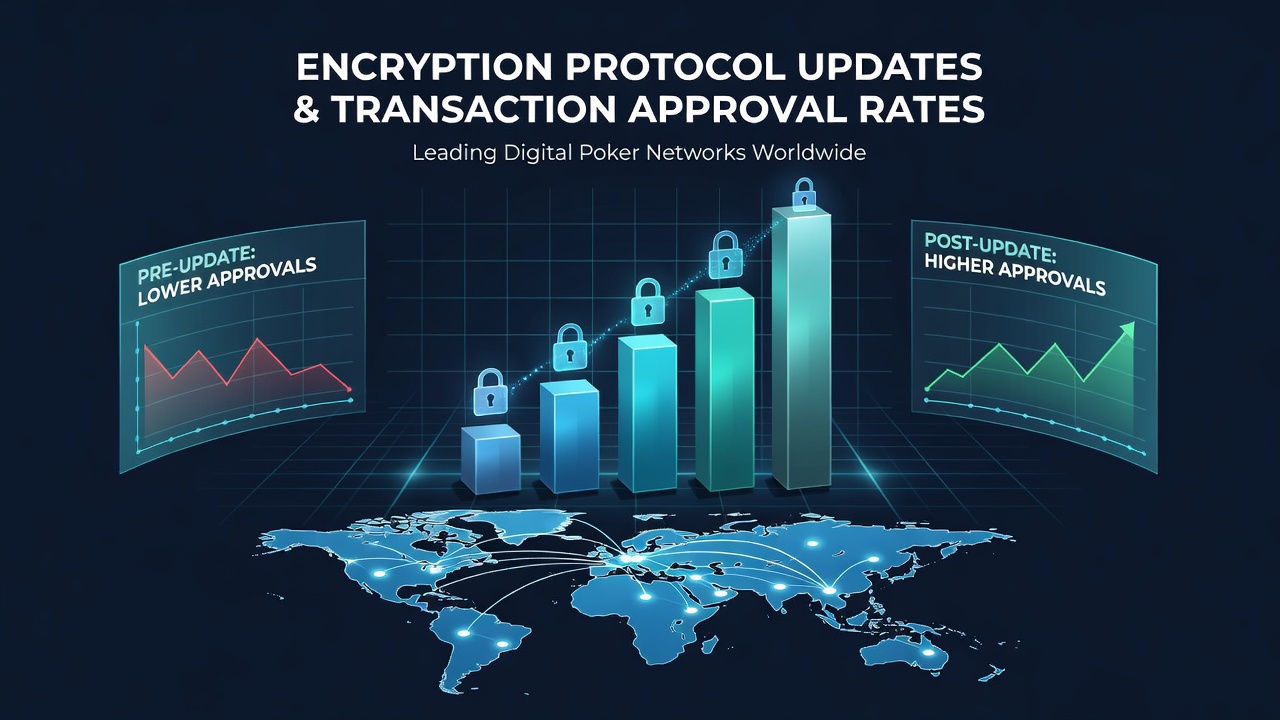
Encryption protocol updates have introduced measurable changes to transaction approval rates on leading digital poker networks, with data from multiple regions documenting both temporary disruptions and longer-term adjustments during 2025 and into July 2026. Operators managing platforms across North America, Europe, and Asia-Pacific markets reported shifts following migrations to updated standards such as TLS 1.3, where handshake efficiencies altered approval patterns in distinct ways.
Initial Rollout Effects on Global Networks
Platforms based in Canada and Australia tracked approval rate fluctuations after implementing newer encryption layers, with researchers at the University of Toronto noting that certain legacy client configurations experienced handshake failures during peak hours. These issues led to approval dips ranging from 4 to 7 percent in the first weeks post-update, while networks using optimized server stacks saw quicker stabilization. Data collected through operator submissions highlighted how regional infrastructure differences influenced recovery timelines, particularly in markets where mobile traffic dominates transaction volumes.
European operators documented parallel patterns, though the scale varied by jurisdiction. Compliance records from gaming authorities in Malta and Gibraltar indicated that networks adopting incremental rollout strategies maintained steadier approval metrics compared to those executing full switches simultaneously. Transaction logs revealed that approval rates rebounded within 10 to 14 days when fallback protocols remained active during transition periods.
Technical Factors Driving Approval Variations
Key elements in encryption protocol changes include modifications to cipher suite priorities and certificate validation procedures, which directly affect how payment gateways communicate with poker network servers. Studies from academic institutions in Australia have shown that networks incorporating post-quantum cryptography elements alongside standard updates encountered additional latency in multi-region setups, contributing to approval rate variations of up to 9 percent during high-volume tournament periods. Those who've monitored these systems note that API integrations with third-party processors played a significant role, as mismatched protocol versions triggered repeated authentication attempts before final approvals.
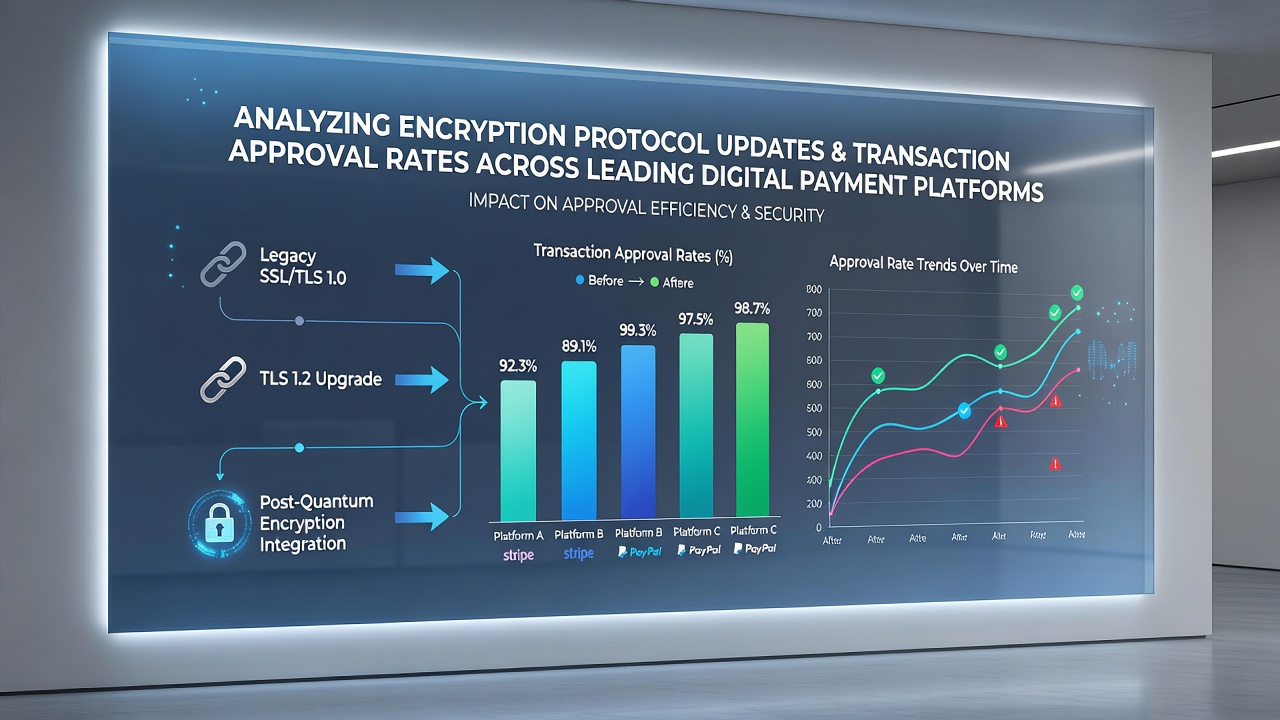
Networks operating in the United States observed distinct outcomes tied to state-specific payment regulations, where certain updates aligned with existing security mandates produced faster approvals overall. Figures from industry reports compiled in July 2026 indicate that platforms with unified encryption standards across desktop and mobile channels achieved approval improvements averaging 3.2 percent compared to pre-update baselines. Yet networks serving cross-border players faced compounded challenges when regulatory bodies in different countries enforced varying certificate requirements.
Regional Data Patterns and Operator Responses
Analysis of transaction datasets from Asia-Pacific operators revealed that approval rate changes correlated closely with the timing of protocol updates relative to major sporting events that drive poker traffic spikes. Canadian regulatory filings showed operators adjusting server configurations mid-update to preserve approval consistency, resulting in minimal net impact after initial testing phases. In contrast, some networks in emerging markets experienced prolonged adjustment periods due to reliance on older hardware that struggled with computational demands of updated encryption algorithms.
According to a NIST technical report on TLS 1.3 deployment considerations, organizations that conducted phased testing across simulated high-load environments reduced approval disruptions by integrating compatibility layers before full production shifts. This approach allowed poker networks to maintain transaction flows while addressing protocol-specific edge cases.
Longer-Term Adjustments Observed Through Mid-2026
By July 2026, aggregated data from multiple networks indicated that approval rates had generally stabilized or improved following encryption protocol refinements, with operators citing enhanced resistance to certain interception attempts as a contributing factor. Research coordinated through the European Gaming and Betting Association tracked approval metrics across 12 major platforms and found average increases of 2.8 percent in networks that paired protocol updates with real-time monitoring tools. Those monitoring these trends point to ongoing refinements in certificate management practices as a driver behind sustained performance gains.
Operators continue to evaluate how future encryption standards will intersect with evolving payment technologies, particularly as digital poker networks expand into additional jurisdictions with distinct security expectations. Transaction approval data compiled through mid-2026 underscores the importance of coordinated testing across global server infrastructures.
Conclusion
Encryption protocol updates have produced documented effects on transaction approval rates within leading digital poker networks, with outcomes shaped by rollout strategies, regional infrastructure, and integration approaches. Data spanning 2025 through July 2026 illustrates both short-term challenges and subsequent stabilizations across worldwide operations. Continued monitoring by operators and research groups provides the basis for understanding these dynamics as networks adapt to evolving security requirements.