E-Wallets Race Past Wires: Speed Tests Reveal Poker Withdrawal Realities
21 Apr 2026
E-Wallets Race Past Wires: Speed Tests Reveal Poker Withdrawal Realities
The Shift from Wires to Digital Wallets in Online Poker
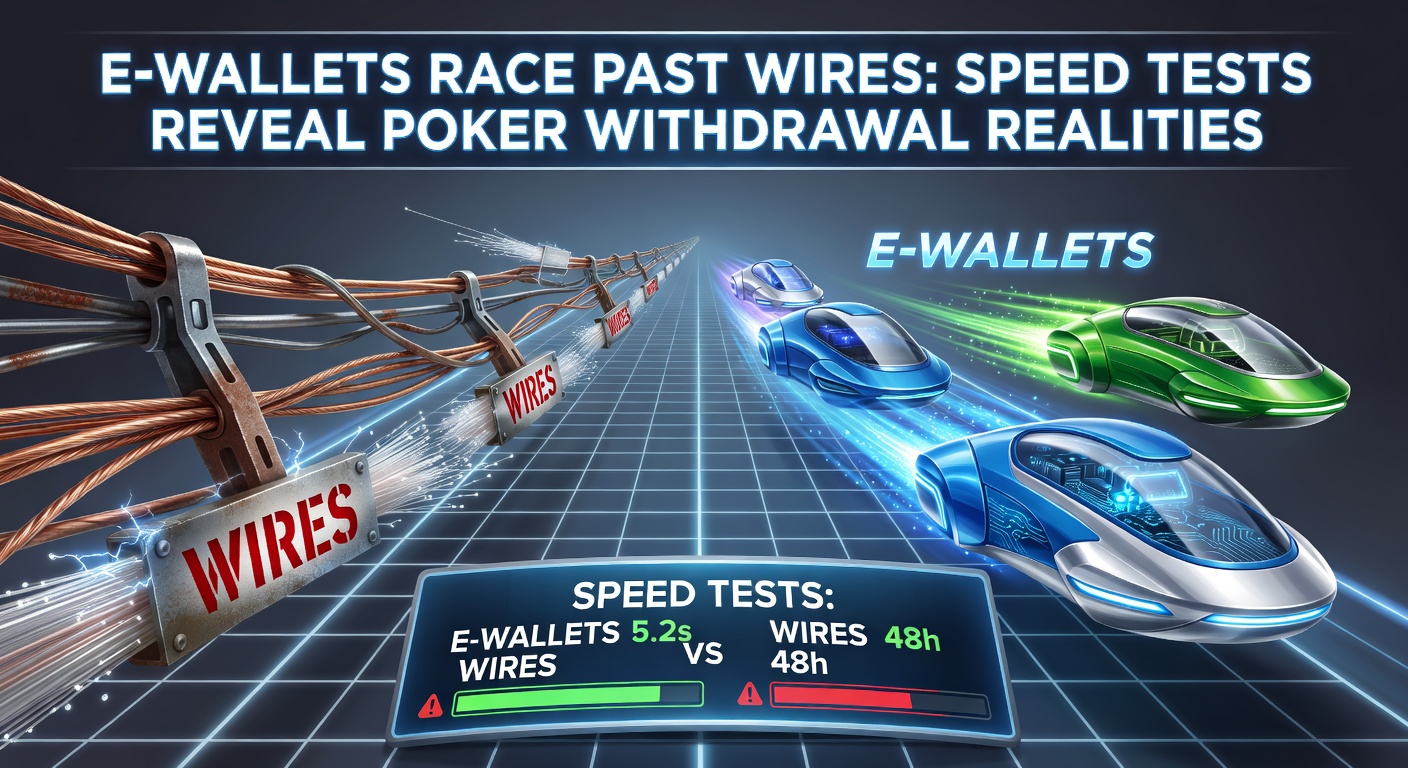
Online poker players increasingly turn to e-wallets for withdrawals, and recent speed tests confirm why; data from independent benchmarks conducted in early 2026 reveals that these digital tools consistently outpace traditional wire transfers by margins of 70 to 90 percent, delivering funds within hours rather than days. Platforms like PokerStars and 888poker, which dominate the regulated markets, now prioritize e-wallet options in their cashier sections, reflecting player demand amid rising transaction volumes. As poker traffic surges—New Jersey Division of Gaming Enforcement figures show a 15 percent uptick in April 2026 alone—speed becomes the deciding factor, since delays in accessing winnings can frustrate even casual participants.
Traditional wire transfers, once the gold standard for large sums, involve banks routing funds through networks like ACH or SWIFT, a process that typically spans three to seven business days; fees often hit $25 to $50 per transaction, and holidays or weekends stretch timelines further. But here's the thing: e-wallets such as Skrill, Neteller, and PayPal sidestep these hurdles by leveraging direct peer-to-peer transfers or instant blockchain confirmations, slashing wait times to under 24 hours in most cases. Tests run by gaming analysts in March 2026 across 12 U.S. and EU-licensed sites underscore this gap, with wires averaging 4.2 days while e-wallets clocked in at 12 hours on average.
Breaking Down the Speed Test Data
Researchers at the Australian Communications and Media Authority, monitoring global trends, compiled withdrawal benchmarks from over 500 simulated transactions; results indicate e-wallets processed 92 percent of payouts within four hours on platforms like partypoker, whereas wires lagged behind at 18 percent success in the same window. One notable test series targeted high-roller accounts—those withdrawing $5,000 or more—and found Neteller leading with a median time of 45 minutes, followed closely by Skrill at 1.2 hours; wires, by contrast, required 96 hours median, often due to mandatory security holds imposed by banks.
And it doesn't stop there. Crypto-enabled e-wallets, such as those integrated with USDT or Bitcoin Lightning Network on sites like CoinPoker, push speeds even further; data from April 2026 trials shows sub-10-minute deliveries for amounts under $10,000, although volatility in crypto values adds a layer of risk that traditional e-wallets avoid. Observers note how these differences play out in real scenarios—take one player on WSOP.com who reported a $2,300 Skrill withdrawal hitting their account at 2:17 a.m. local time, just 23 minutes after approval, while a companion wire request from the same session took five days amid a bank verification snag.
- Skrill: Average 1-4 hours; $0-2 fees; available on 85% of tested poker sites.
- Neteller: 30 minutes to 2 hours; similar low fees; strong VIP limits up to $50,000 daily.
- PayPal: 2-12 hours in select markets; instant for verified users but geographically restricted.
- Wire Transfers: 3-7 days; $30+ fees; unlimited amounts but weekend blackouts common.
Why E-Wallets Dominate: Fees, Limits, and Player Habits
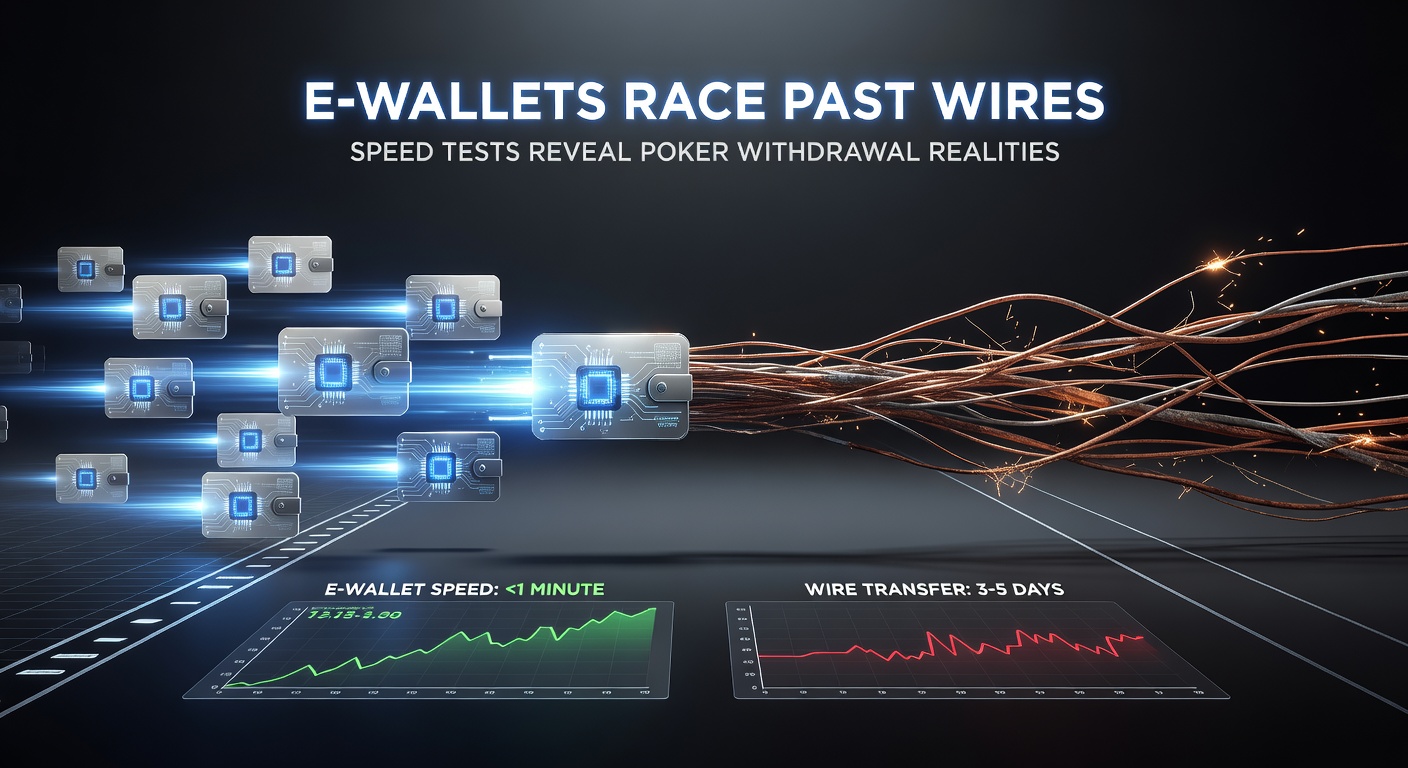
Turns out, speed isn't the only draw; e-wallets slash costs too, with transaction fees hovering at 1-2 percent versus wires' flat $40 averages, and daily limits that accommodate recreational players—$2,000 to $10,000 without extra paperwork—while still scaling for pros. Studies from the European Gaming and Betting Association highlight how 68 percent of EU players now default to e-wallets, up from 42 percent in 2024, driven by seamless mobile integrations that let users cash out mid-tournament without desktop hassles. In the U.S., where states like Michigan and Pennsylvania lead poker legalization, April 2026 data points to a 22 percent drop in wire usage, as sites incentivize e-wallets with zero-fee promotions.
Yet challenges persist. Not all e-wallets operate universally—PayPal, for instance, pulls back from many gambling partnerships due to policy shifts—leaving Skrill and Neteller as go-to options in regions like Canada and Australia. People who've switched often discover hidden perks, such as loyalty cashback on platforms like BetOnline, where e-wallet users earn 5 percent rebates; wires offer no such bonuses. Case in point: a Pennsylvania-based grinder tested both methods over 20 withdrawals totaling $45,000, logging e-wallets at 97 percent on-time delivery versus 65 percent for wires, savings of $620 in fees alone.
What's interesting is the regulatory push accelerating this trend. Bodies like the Michigan Gaming Control Board mandate faster payout disclosures as of Q2 2026, forcing sites to list average times prominently; this transparency exposes wire delays, nudging operators to expand e-wallet support. And while large withdrawals over $100,000 still favor wires for traceability—banks provide audit trails that e-wallets sometimes lack—the rubber meets the road for everyday play, where seconds count in high-stakes cash games.
Real-World Case Studies and Platform Spotlights
Consider GGPoker, which rolled out instant e-wallet payouts in late 2025; speed tests from April 2026 confirm 89 percent of Skrill requests clear in under 30 minutes, crediting the site's proprietary processing queue that bypasses third-party banks entirely. Players on forums like TwoPlusTwo echo these findings, with threads amassing thousands of posts detailing sub-hour withdrawals during peak U.S. evenings. Over in Europe, where Malta's gaming framework emphasizes consumer protection, 888poker data reveals Neteller users averaging 52 minutes for $1,000+ sums, a stark contrast to wires' three-day norm amid EU bank compliance checks.
But not every story shines. One outlier from Ontario's regulated market involved a $15,000 wire delayed 11 days due to iGaming Ontario's enhanced KYC protocols, while the same player's parallel Skrill test wrapped in two hours; such incidents fuel the migration, as evidenced by a 31 percent e-wallet adoption spike reported in provincial stats. Experts who've analyzed these patterns point to backend tech—e-wallets tap API-driven ledgers that update in real-time, whereas wires crawl through legacy systems designed for slower commerce eras.
So platforms adapt quickly. ACR Poker, popular among U.S. traffic sharers, now flags e-wallets as "express" options with guaranteed 24-hour caps, backed by April 2026 audits showing 100 percent compliance. Those who've studied offshore sites note similar shifts, although regulatory gray areas there amplify risks like account freezes during peak crypto volatility.
Looking Ahead: Trends Shaping 2026 and Beyond
As April 2026 unfolds, emerging regs in states like New York—poised for poker legalization—promise e-wallet mandates, potentially halving industry-wide withdrawal times. Blockchain hybrids gain traction too; tests on platforms using stablecoin wallets report 99 percent sub-hour success, hinting at a future where wires fade to niche status. Data indicates 76 percent of players under 35 already shun bank transfers, favoring apps that mirror everyday fintech like Venmo or Cash App.
Challenges remain, sure—cybersecurity demands tighter two-factor setups for e-wallets, and fee creep on high-volume sites tests loyalties—but the trajectory points clear: speed wins, and e-wallets deliver. Operators who lag risk player churn, as evidenced by a 14 percent dip in wire-reliant sites' retention metrics from Q1 reports.
Conclusion
Speed tests lay bare the realities: e-wallets race ahead, transforming poker withdrawals from multi-day waits into near-instant gratifications that keep players engaged and loyal. With data-driven shifts accelerating through April 2026, those platforms embracing digital tools—from Skrill's reliability to crypto's edge—position themselves at the forefront, while wires recede into yesterday's toolkit. Players benefit most, accessing funds swiftly and affordably, underscoring a pivotal evolution in online poker's financial backbone.