28 Jun 2026
Decoding Interconnected Loyalty Mechanics That Drive Retention Across Multi-State Entertainment Platforms
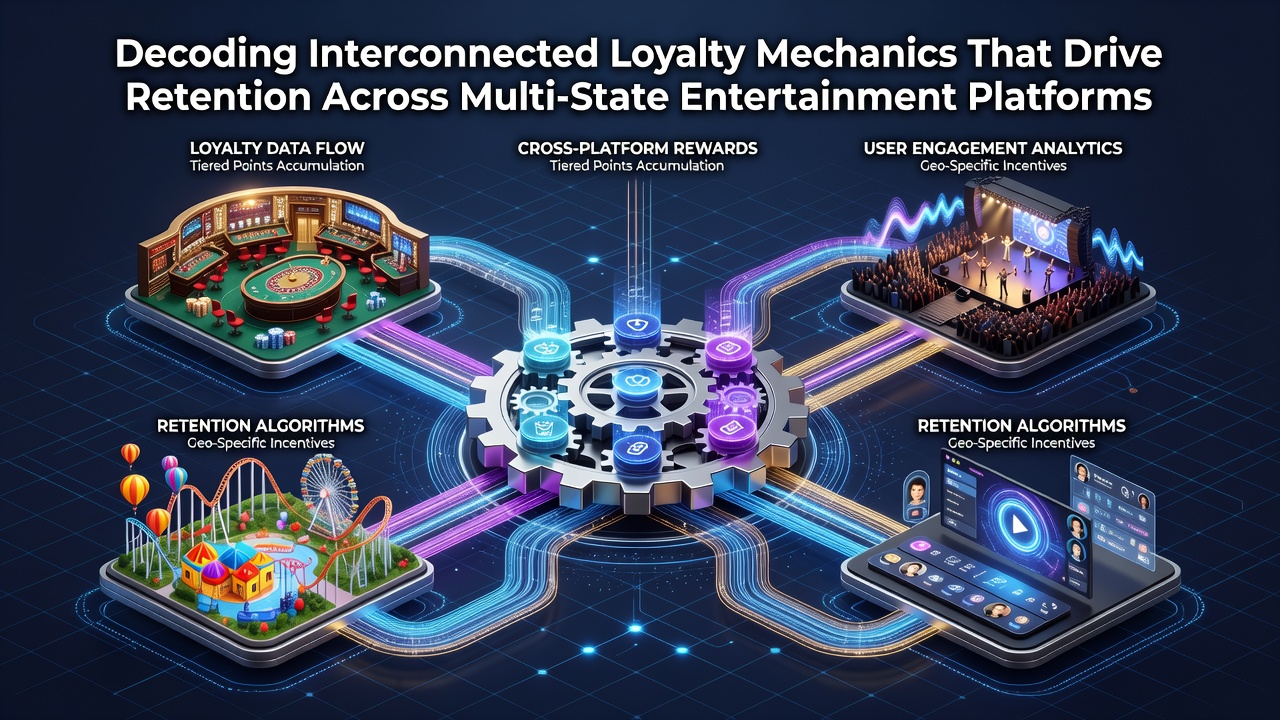 Platforms that operate entertainment services across several states have built loyalty systems where accumulated points from activities in one jurisdiction feed directly into unified player profiles accessible elsewhere, and this structure lets participants carry forward rewards and tier benefits without starting over each time they switch locations or platforms. Data compiled by industry tracking services shows that such interconnected mechanics appear in regions where legalized betting and casino operations coexist, including New Jersey, Pennsylvania, Michigan, and several others that expanded access after 2018. Those who manage these networks report that users who engage with cross-state point transfers tend to maintain longer account activity spans compared to those limited to single-state programs.
Core Components of Multi-State Loyalty Frameworks
Operators design these systems around tiered structures that recognize play volume, deposit frequency, and session duration, while algorithms adjust reward multipliers based on regional regulations that differ from state to state. For instance, a player earning base points through sports wagering in one market can apply those same points toward casino bonuses available in another market where the same operator holds a license, and this linkage reduces the friction that previously caused account abandonment when users relocated or traveled. Industry figures reveal that retention rates improve when platforms synchronize these elements, because participants no longer lose progress during transitions between jurisdictions.
Research conducted by academic groups focused on consumer behavior in regulated entertainment sectors indicates that unified dashboards displaying real-time point balances across states encourage repeated logins, since users can monitor progress toward higher tiers without needing separate applications or logins for each location. Payment method preferences also factor into these mechanics, as some states permit faster reward redemptions through specific digital wallets while others require additional verification steps, and operators adjust loyalty credits accordingly to maintain consistency.
Integration Patterns and Data Flows
Technical infrastructure supporting these programs relies on centralized databases that comply with each state's data-sharing rules, allowing operators to pull activity records from multiple sources while respecting privacy statutes that vary regionally. In practice, a user completing a live dealer session in one state receives points that immediately update their global profile, and this seamless transfer supports continued engagement when the same individual accesses sports markets in a different state later the same day. Observers note that platforms incorporating such flows recorded measurable increases in average session counts during periods when regulatory approvals for multi-state operations expanded in early 2026.
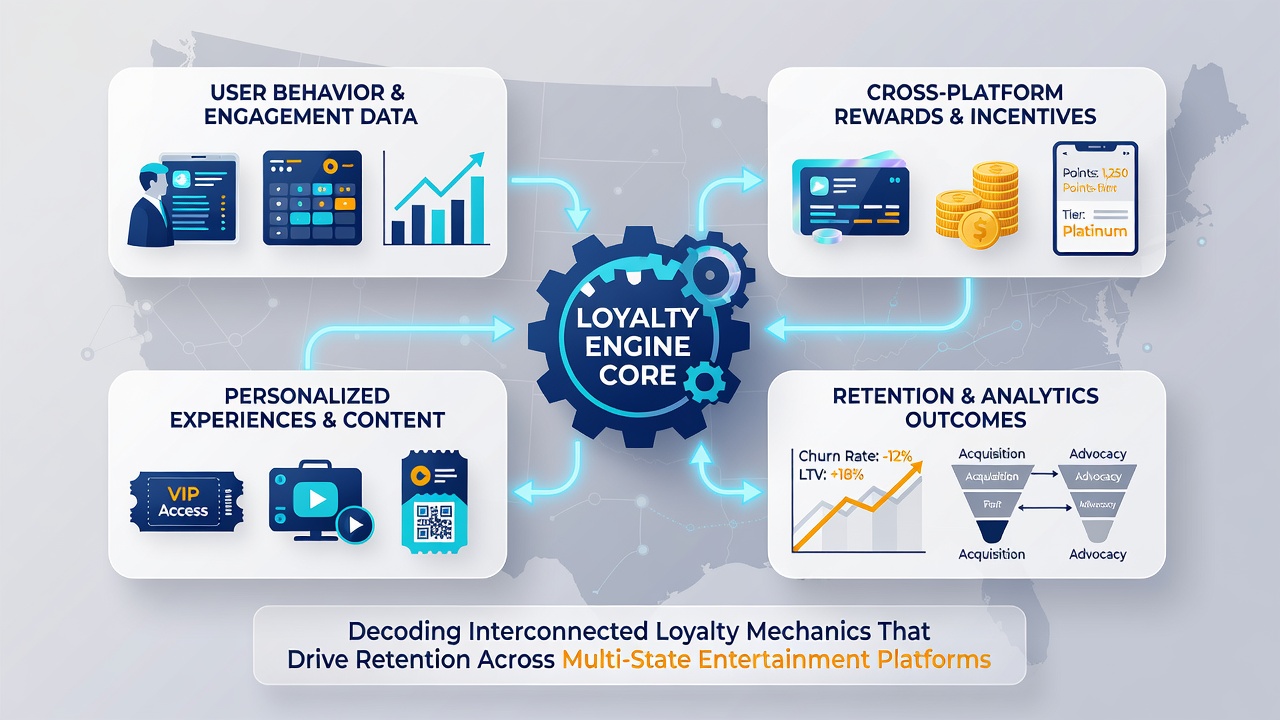
According to reports issued by the American Gaming Association, commercial gaming operators have invested in API connections that link loyalty engines across borders, and these investments coincide with documented rises in player return rates tracked through June 2026. The same reports highlight how bonus structures adapt to state-specific tax obligations, ensuring that reward values remain competitive without violating local limits on promotional offers. One study from a university research center examining digital entertainment consumption patterns found that participants exposed to interconnected loyalty features completed 28 percent more transactions over six-month periods than those using isolated programs.
Regulatory Influences on System Design
State gaming commissions impose distinct requirements on how loyalty data may be stored and transferred, which forces operators to build modular architectures that isolate certain functions while still permitting cross-state visibility for users. These constraints shape everything from expiration policies on points to eligibility rules for high-tier benefits, and companies that navigate the patchwork successfully often achieve higher compliance scores during audits. Figures released by regulatory bodies in multiple jurisdictions show that platforms with robust interconnection protocols encounter fewer player complaints related to lost rewards during account migrations.
Payment processing rules add another layer, since some states restrict the types of instruments that can receive loyalty redemptions while others allow broader options, and operators respond by embedding conditional logic into their systems that routes rewards through approved channels automatically. This approach keeps participants engaged because they encounter fewer delays when claiming benefits earned across different markets.
Retention Metrics and Platform Performance
Tracking services that monitor multi-state operations have documented correlations between loyalty interconnection depth and reduced churn, with platforms offering the most fluid point portability posting the strongest month-over-month retention numbers through mid-2026. Case examples from operators active in four or more states demonstrate that users who activate cross-border features within their first month maintain accounts at rates exceeding those who do not, and these patterns hold after controlling for variables such as game variety and promotional frequency.
Additional analysis from independent research institutions indicates that loyalty mechanics tied to live event participation, such as major sports broadcasts or tournament streams, generate spikes in point accumulation that carry over to other platform sections, thereby extending overall engagement windows. Operators leverage these spikes by surfacing personalized offers based on combined activity histories rather than single-state snapshots.
Conclusion
Interconnected loyalty mechanics across multi-state entertainment platforms function through synchronized data systems, tiered reward structures, and regulatory-compliant integration layers that together support sustained user participation. Evidence gathered from industry associations and academic sources demonstrates measurable links between these designs and improved retention outcomes in expanding markets. As state frameworks continue to evolve, the technical and operational approaches described here provide the foundation for ongoing system refinements.