7 Jul 2026
Crop Harvest Timelines Correlate with Mobile Betting Increases in Agricultural Zones of Developing Economies
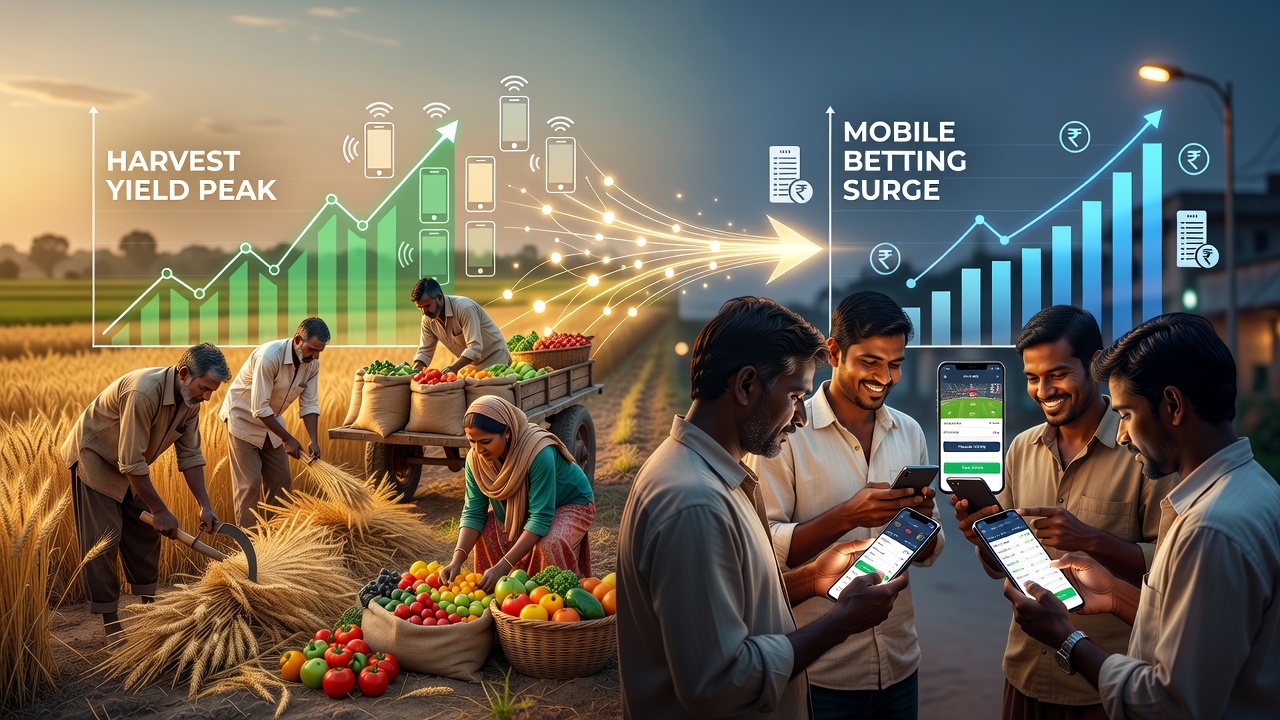
Seasonal harvest cycles create distinct patterns of income distribution that align with spikes in mobile betting activity across agricultural regions in countries such as India, Kenya, and Brazil. Data collected through operator reports and network analytics indicate that rural users show measurable upticks in session frequency and deposit volumes immediately following crop sales, when cash reserves expand for several weeks at a time.
Researchers tracking transaction logs note that these surges typically last between four and eight weeks, depending on the crop type and local market prices. In wheat-growing districts of northern India, for instance, activity rises sharply after the April-May harvest window, while maize farmers in Kenya display similar behavior following the June-July collection period. Mobile network operators record parallel increases in data usage for gaming applications during these same intervals, suggesting that connectivity improvements and income timing work together to shape user behavior.
Income Timing and Platform Access
Payment systems used by farming communities often rely on mobile money wallets that receive direct transfers from cooperatives and buyers. Once funds arrive, users frequently allocate portions toward entertainment options, including betting apps that accept small-stake wagers. Observers at regional payment processors report that average transaction sizes grow during post-harvest months compared with leaner periods before crops mature.
Studies conducted by agricultural extension services in Brazil document how soybean and coffee farmers time their largest deposits to coincide with export payment cycles. These patterns appear in aggregated anonymized data shared between telecom providers and betting platforms, revealing geographic clusters of activity that match known farming calendars. Network latency measurements taken in July 2026 showed stable connections across many rural zones, allowing uninterrupted participation even from remote villages.
Regional Variations in Usage Patterns
Different crops produce different rhythms. Rice farmers in Southeast Asia tend to exhibit betting increases after the main monsoon harvest in October and November, whereas cotton growers in parts of Africa show activity peaks following December sales. Mobile operators in these areas have adjusted data packages to accommodate seasonal demand, offering temporary boosts in bandwidth that coincide with harvest-related income.
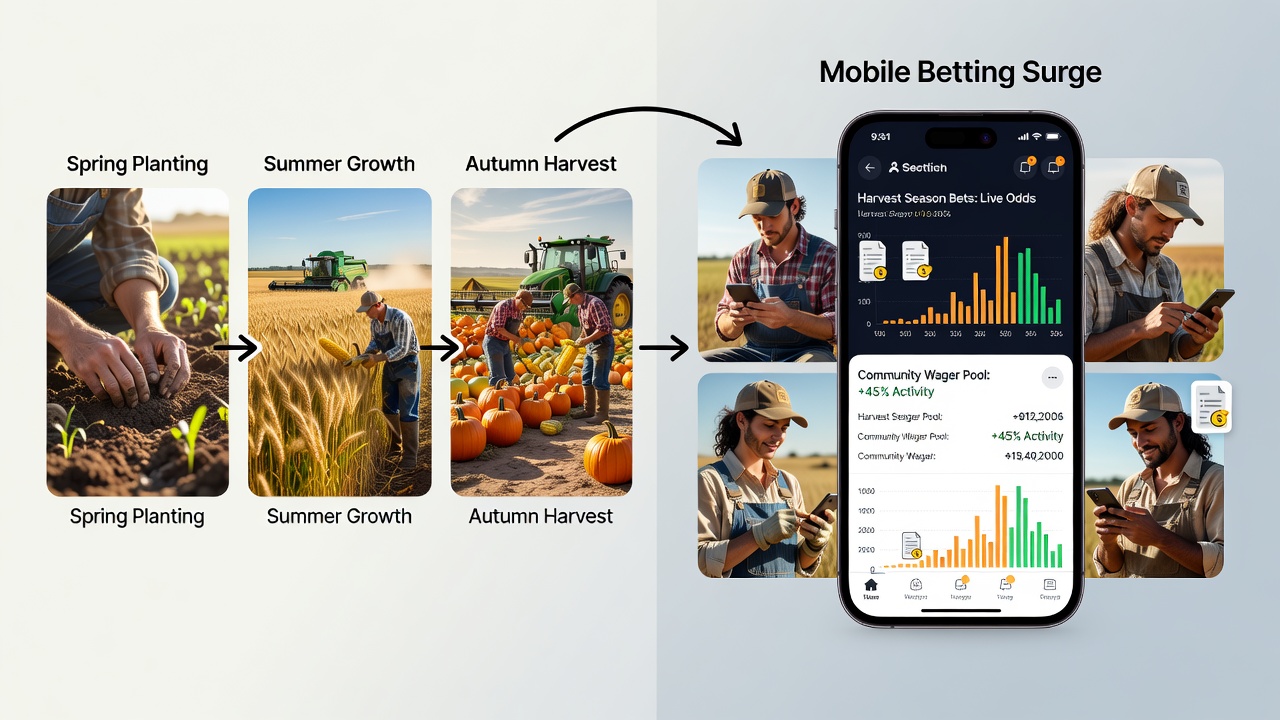
According to industry analyses from the African Betting and Gaming Association, participation rates in mobile wagering among smallholder farmers rise between 30 and 45 percent in the weeks after major harvest payments. Similar figures appear in reports from Latin American gaming councils, where researchers correlate satellite imagery of field activity with localized spikes in app downloads and session durations. These correlations hold across multiple seasons, though the exact percentage varies with commodity prices and weather conditions that affect yields.
Payment Infrastructure and User Behavior
Betting platforms serving these markets integrate directly with popular mobile money services, reducing friction between harvest income and wagering accounts. Transaction logs indicate that deposits often occur within hours of wallet credits from agricultural buyers, followed by rapid placement of bets on sports events or casino-style games. Regulators in several jurisdictions require operators to maintain records that separate urban and rural traffic, enabling analysts to map these seasonal flows more precisely.
One study released by the Brazilian Ministry of Agriculture and Livestock in early 2026 examined anonymized financial flows and found clear alignment between coffee auction payments and subsequent digital entertainment expenditures. The same report noted that smartphone penetration among farming households reached 78 percent by mid-2025, providing the technical foundation for sustained mobile betting engagement. Comparable infrastructure growth appears in East African markets, where agent networks for cash-in and cash-out services expand during harvest seasons to handle larger volumes.
Data Sources and Measurement Approaches
Academic teams at universities in Nairobi and São Paulo have begun combining satellite crop monitoring with anonymized mobile traffic data to refine these correlations. Their preliminary findings suggest that betting surges are most pronounced in communities where harvest income arrives as lump-sum payments rather than staggered installments. Government statistical agencies in India publish monthly rural consumption surveys that indirectly support these observations through recorded increases in discretionary spending categories during post-harvest months.
Platform operators adjust marketing and bonus structures around these known cycles, though regulatory guidelines in most emerging markets require clear disclosure of terms. Figures released by the Inter-American Development Bank in 2025 highlighted how digital financial inclusion programs have accelerated both agricultural commerce and entertainment options in the same rural corridors. This overlap creates measurable data trails that researchers continue to examine across multiple growing seasons.
Conclusion
Harvest cycles and mobile betting activity demonstrate consistent temporal alignment across several emerging agricultural economies. Income concentration after crop sales, combined with expanding mobile infrastructure, produces repeatable patterns visible in transaction records and usage statistics. Ongoing data collection by regional agencies and academic institutions continues to map these relationships with increasing precision, offering a factual basis for understanding how seasonal agricultural economics intersect with digital wagering platforms.