12 Jul 2026
Calendar Adjustments Across Borders Steer Mobile Betting Flows Into Specialized Prediction Platforms
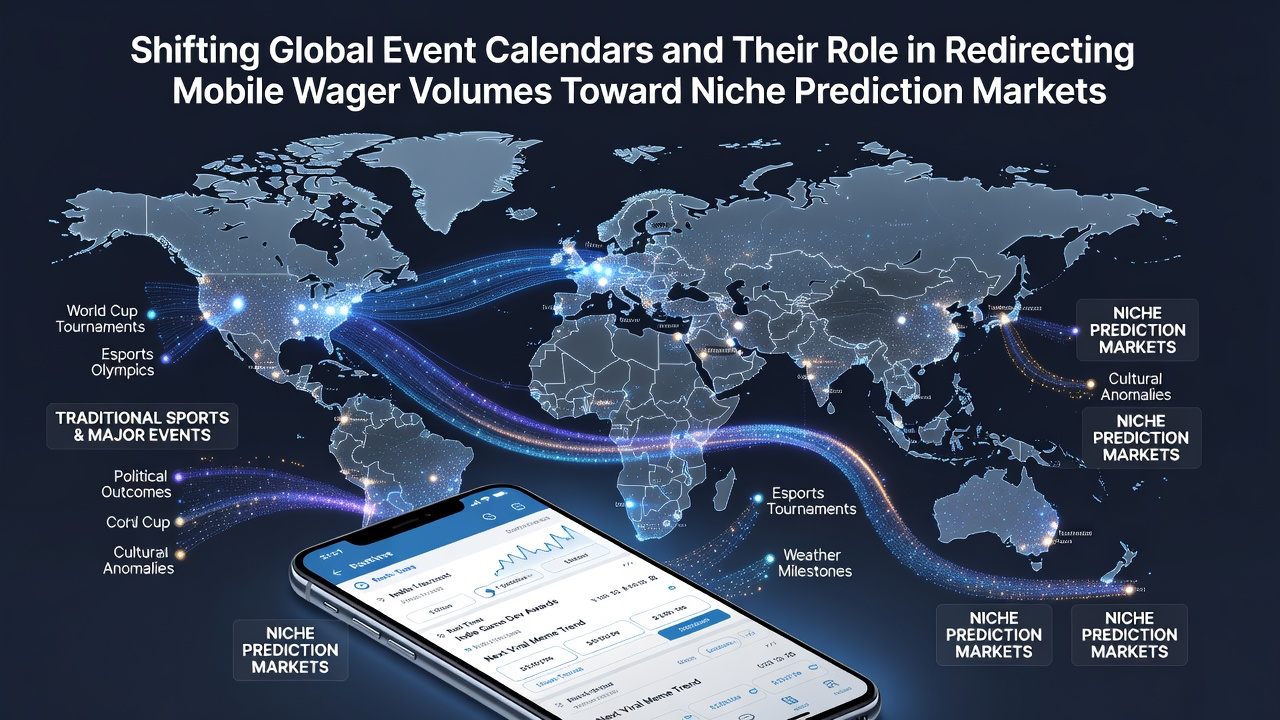
International sports tournaments, political cycles, and entertainment schedules undergo frequent revisions because of logistical challenges, climate factors, and geopolitical developments, and these modifications create measurable effects on mobile wager distribution. Operators track how users migrate from traditional sports betting apps toward platforms that offer contracts on narrower outcomes such as weather anomalies, corporate earnings releases, and local policy decisions.
Event Timing Disruptions and Volume Migration Patterns
Postponements in major leagues during early 2026 forced mobile operators to adjust promotional calendars, while users simultaneously explored alternative outlets for consistent engagement. Data collected across multiple regions shows wager volumes on broad match results declining during gaps, yet activity on niche contracts rose by double-digit percentages in the same periods. Observers note that platforms specializing in prediction contracts absorbed much of the redirected flow because their event libraries remain independent of physical venue availability.
July 2026 Data Highlights Regional Variations
Figures compiled in July 2026 reveal distinct patterns in North America and parts of Asia where mobile sessions on prediction interfaces increased after several high-profile tennis and cricket events shifted dates. Users who previously concentrated activity around live sports found that shorter-duration contracts on election-related metrics or commodity price movements provided more frequent decision points. Researchers at academic institutions tracking digital transaction logs documented these transitions through anonymized app telemetry, confirming that time-zone overlaps and schedule gaps correlated with higher engagement on non-sports categories.
Platform Features That Capture Redirected Volumes
Prediction market operators maintain continuous liquidity on contracts that resolve within hours or days, and this structure aligns with mobile user preferences for quick feedback loops. Mobile interfaces on these platforms often incorporate simplified navigation and push notifications tied to contract expirations rather than match schedules, which helps retain attention during periods when traditional sports calendars contain fewer fixtures. Industry reports from the European Gaming and Betting Association indicate that cross-border user acquisition campaigns emphasizing niche contracts grew in markets experiencing the most pronounced event postponements.
One study released by a Canadian research consortium examined transaction timestamps and found that sessions lasting under fifteen minutes rose sharply on prediction apps during weeks when multiple international fixtures were rescheduled. These shorter interactions replaced longer sessions previously spent on live sports dashboards, suggesting that users adapted their habits to match available event density rather than abandoning mobile wagering altogether.
Regulatory Environments Shaping Market Availability
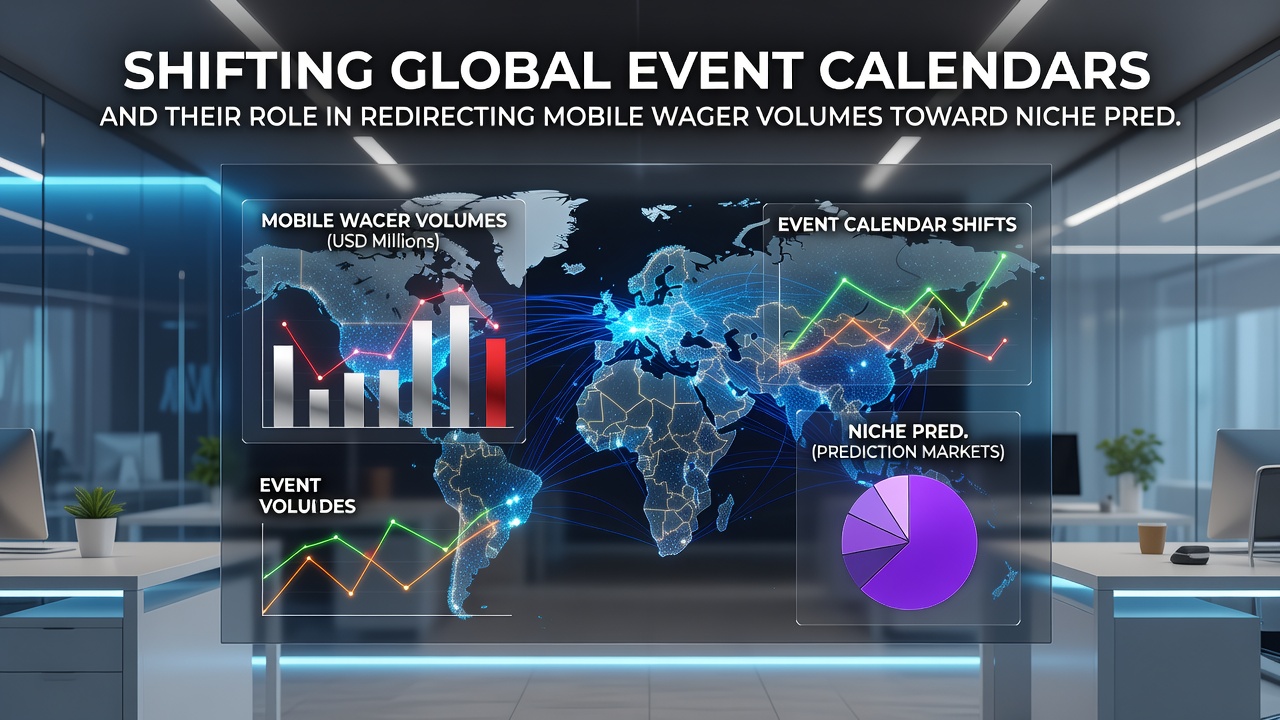
Jurisdictions that permit event contracts outside traditional sports definitions enable operators to list contracts on topics such as regulatory approvals or entertainment award outcomes. This flexibility allows platforms to maintain active order books even when global sports calendars experience compression or expansion. In contrast, regions with narrower definitions of permissible wagering see slower adoption of niche products, and mobile volumes there remain more tightly linked to conventional sports schedules. Government statistical releases from Australia and New Zealand during mid-2026 showed modest but consistent growth in prediction contract participation coinciding with adjustments in rugby and cricket fixtures.
Technological Infrastructure Supporting the Transition
Real-time data feeds and automated settlement systems underpin the ability of niche platforms to handle increased mobile traffic without latency issues that once plagued smaller operators. These backend improvements coincide with broader adoption of 5G networks in urban centers, which reduces friction for users checking contract prices multiple times per day. Payment rails optimized for micro-transactions further support the shift, since many niche contracts resolve at lower stake levels than typical sports wagers.
Conclusion
Shifting global event calendars continue to influence how mobile wager volumes distribute across product categories, and evidence from transaction data through July 2026 points to sustained interest in specialized prediction contracts. Operators that maintain diverse, non-calendar-dependent offerings capture portions of activity previously concentrated on major sports events. Regulatory frameworks and technological capabilities determine the pace at which this redirection occurs in different markets, while academic and industry monitoring provides ongoing visibility into the scale of these movements.